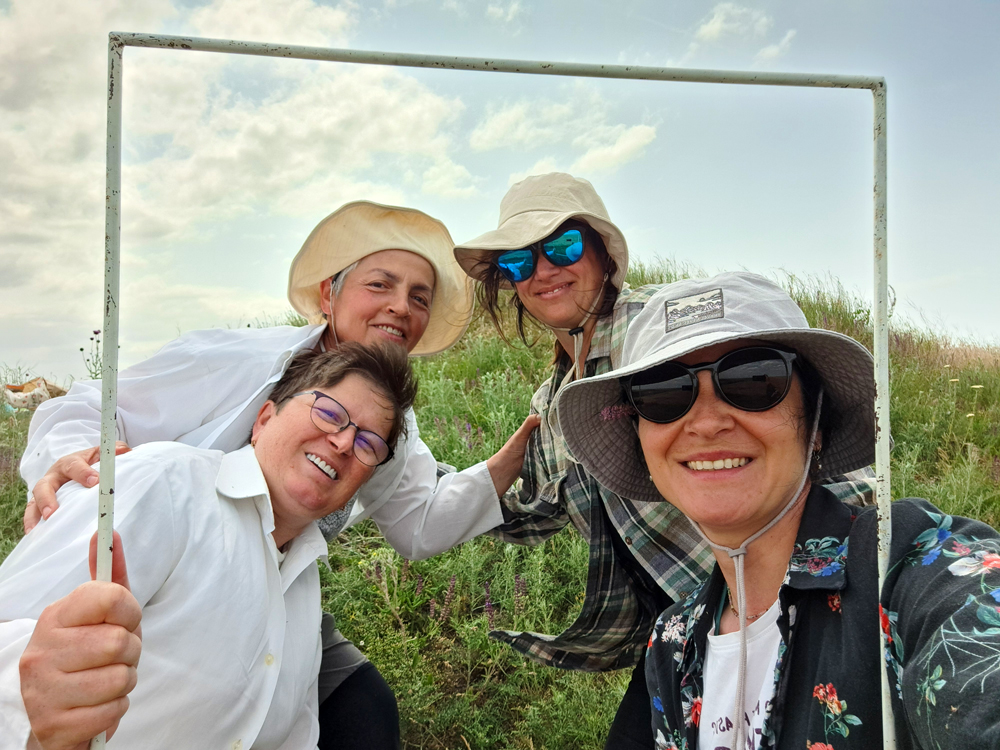
Biodiversity
Sanctuaries
In the heart of Dobrogea, Romania, ancient burial mounds, known as kurgans, rise gently above the surrounding agricultural plains. Once monuments of past civilisations, these mounds have become unexpected sanctuaries for biodiversity.
Among the resilient flora inhabiting these microhabitats is Salvia nemorosa, a perennial herb native to Europe and western Asia - at once ordinary and extraordinary, carrying within its stems and leaves the weight of biology, history, and folklore.
Among the resilient flora inhabiting these microhabitats is Salvia nemorosa, a perennial herb native to Europe and western Asia - at once ordinary and extraordinary, carrying within its stems and leaves the weight of biology, history, and folklore.
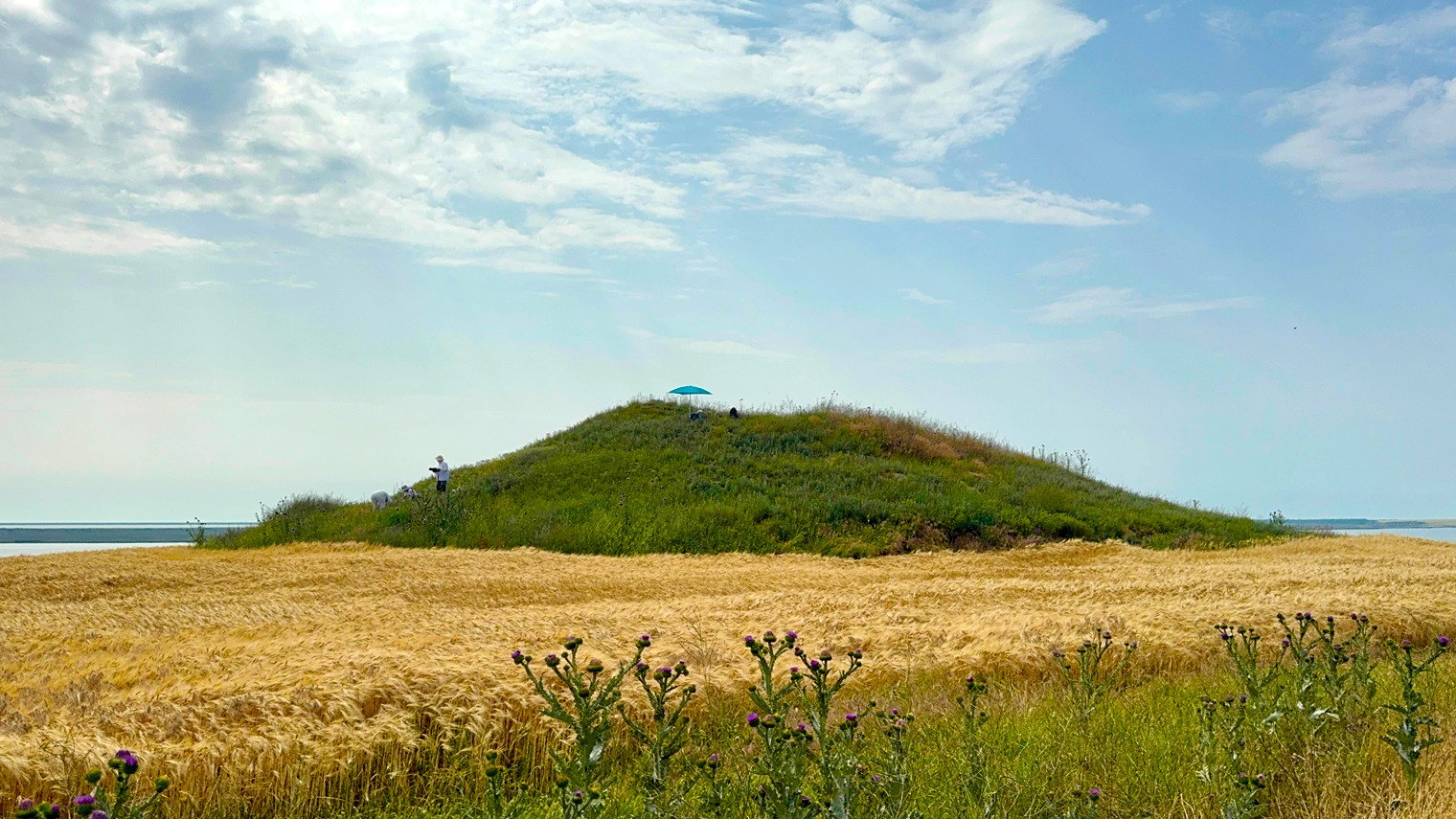
A Demographic Study
Salvia nemorosa
Our Salvia investigates the persistence of Salvia nemorosa populations on these kurgans, examining how landscape structure and microhabitat conditions shape the survival and adaptation of plant species within fragmented ecosystems. The project reflects on ecological resilience, cultural landscapes, and the entangled histories of human and non-human life.
Our Salvia also turns its lens toward method, how fieldwork is conducted, how data is gathered, and how these mounds themselves are disappearing.
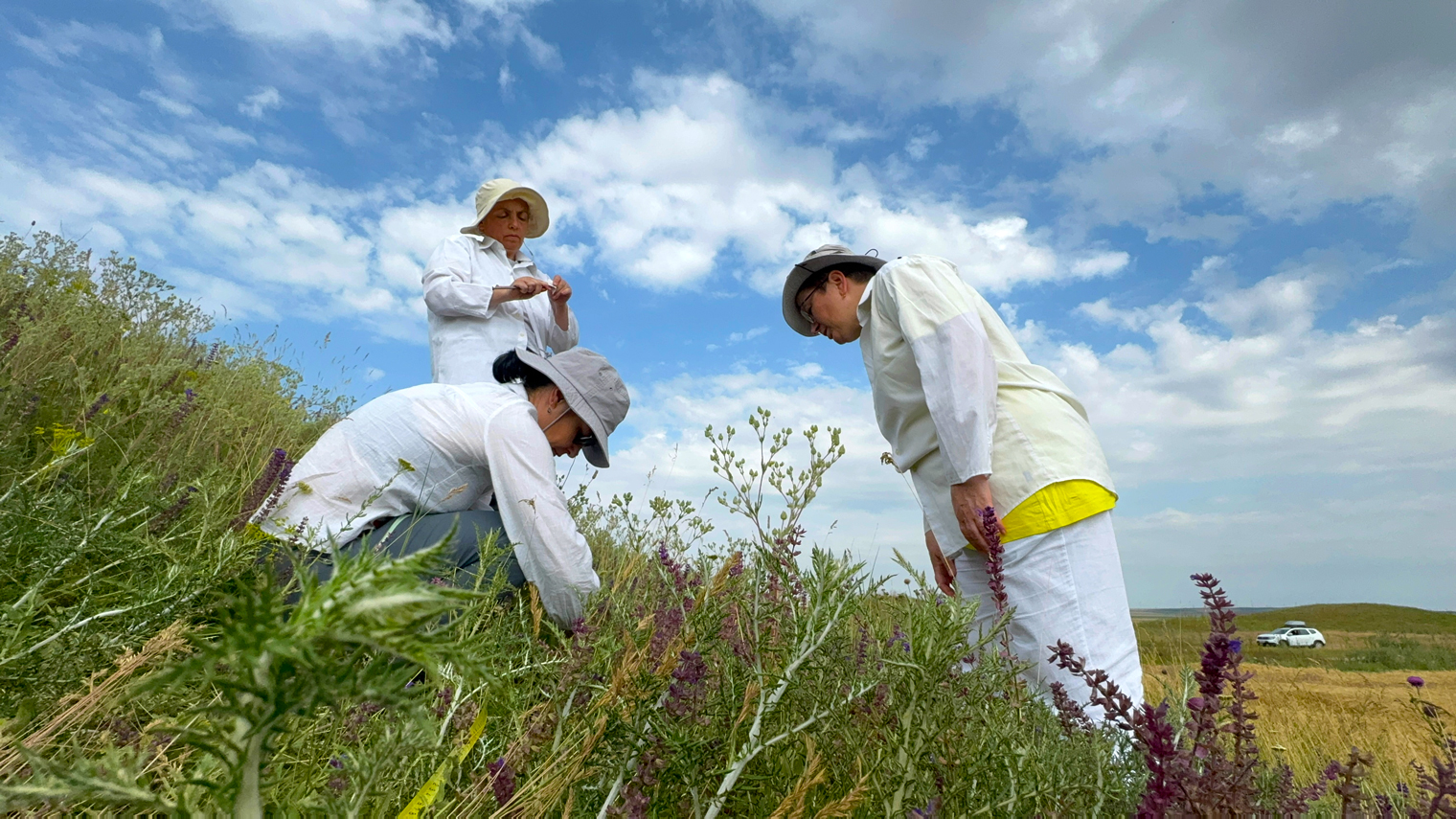
Combining demographic protocols in ecology, herbarium research, and immersive field observation, the project follows the lives of these plants as they persist, adapt, and transform across time.
Our Salvia also turns its lens toward method, how fieldwork is conducted, how data is gathered, and how these mounds themselves are disappearing.
Combining demographic protocols in ecology, herbarium research, and immersive field observation, the project follows the lives of these plants as they persist, adapt, and transform across time.
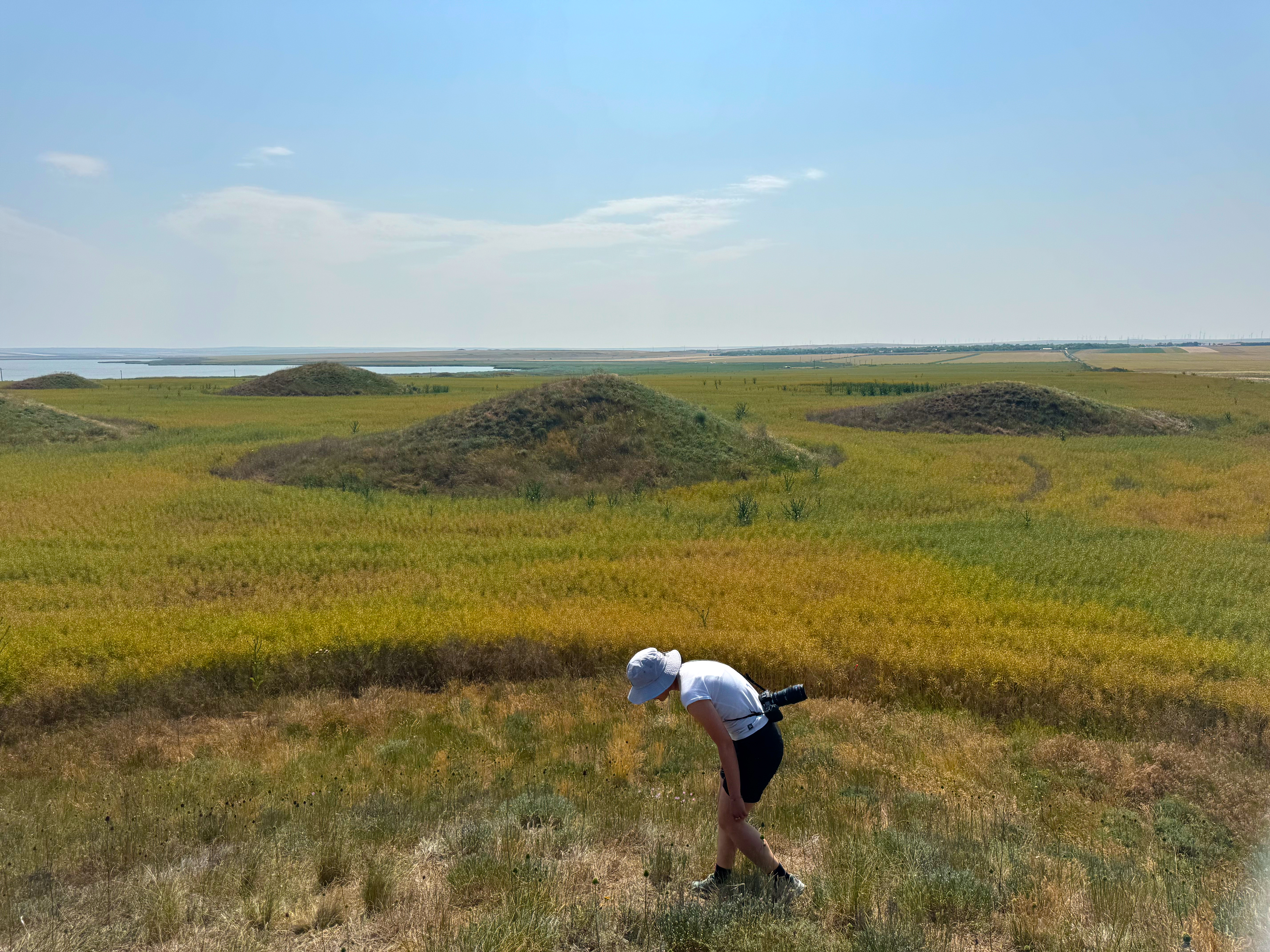
An Ecological Exploration
Work in progress
How do microhabitats affect the growth, reproduction, and survival of Salvia nemorosa? In what ways do landscape fragmentation and climatic stress interact to shape the morphology and demography of isolated plant populations? What can shifts in plant traits reveal about persistence under environmental stress? How do plants like Salvia nemorosa serve as indicators of ecological vulnerability in fragmented landscapes? Beyond their biological role, how do plants carry symbolic and cultural meanings across time, and how does this intersect with their ecological persistence?
In June 2025, we began a demographic study of Salvia nemorosaon on Kurgan KI_RO. It will take years before we understand what the data will reveal and how this species endures, adapts, or fades.
Similar studies from Hungarian kurgans suggest that rising heat and drought could make Salvia nemorosa smaller, less vigorous, and less able to reproduce, threatening its survival on isolated sites.
In June 2025, we began a demographic study of Salvia nemorosaon on Kurgan KI_RO. It will take years before we understand what the data will reveal and how this species endures, adapts, or fades.
Similar studies from Hungarian kurgans suggest that rising heat and drought could make Salvia nemorosa smaller, less vigorous, and less able to reproduce, threatening its survival on isolated sites.
Between Field
& Archive
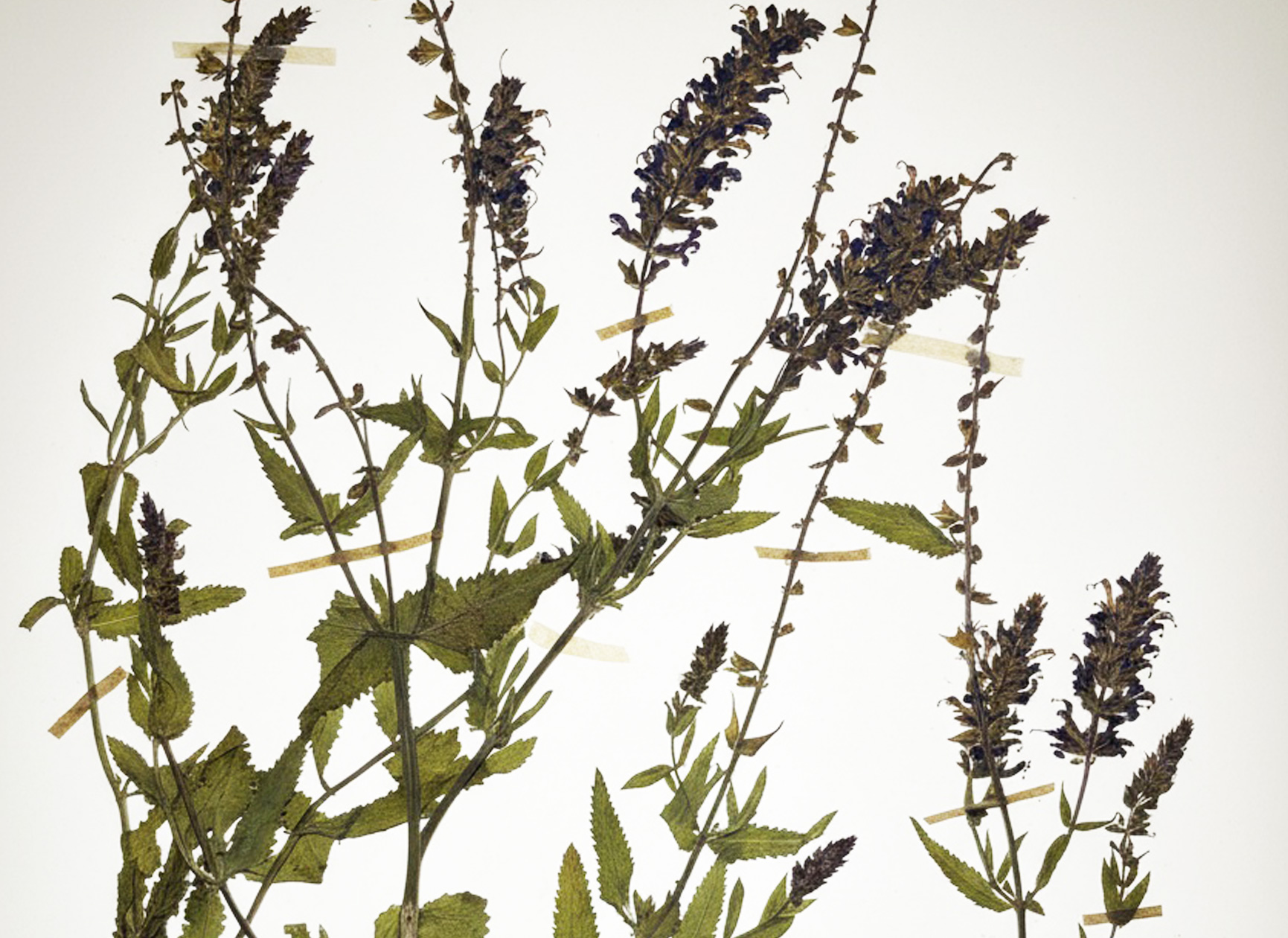
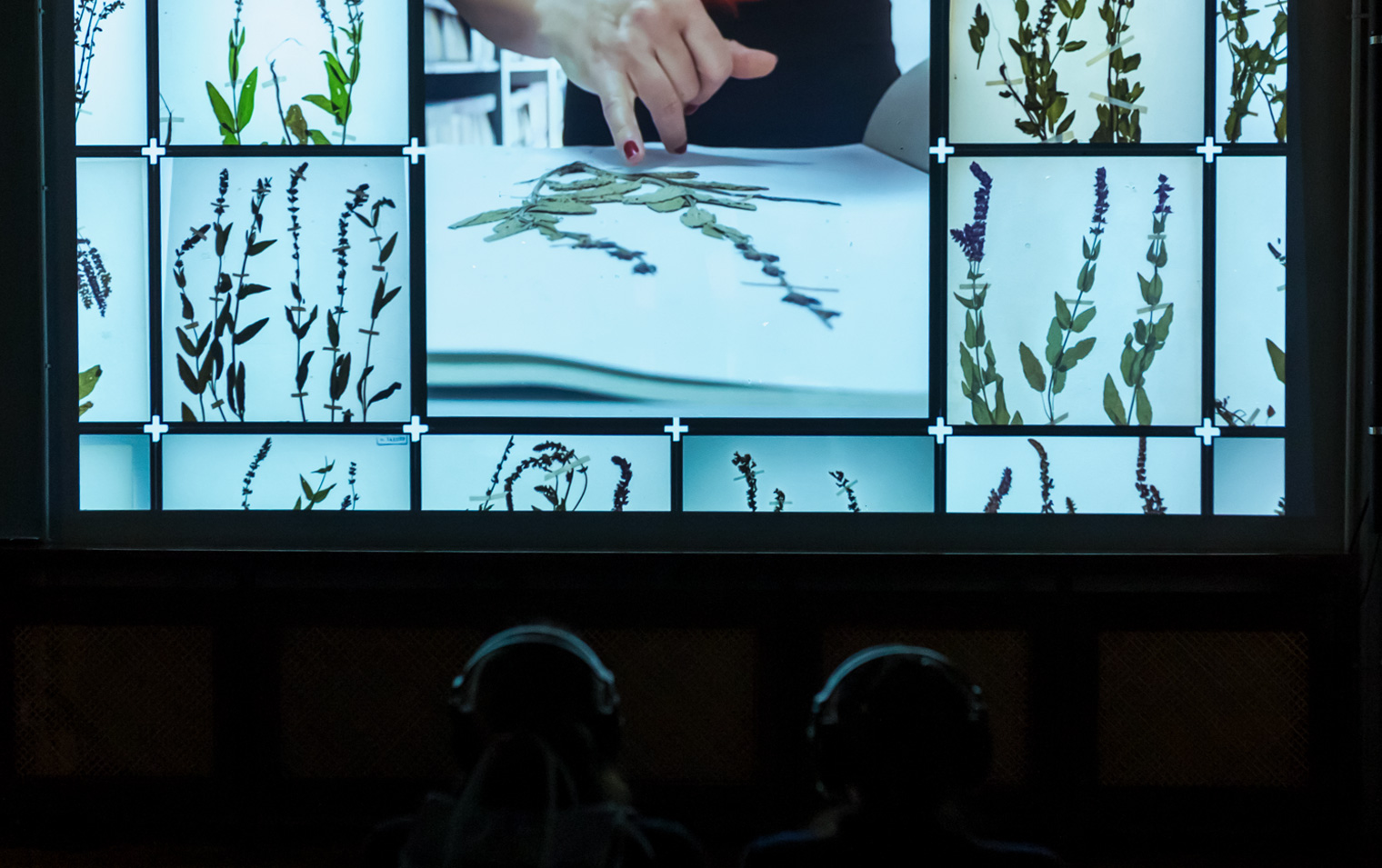
Pressed and labelled specimens of Salvia nemorosa, collected since the 19th century, act as botanical time capsules, offering a glimpse into the past. Their pressed forms, different yet recognisable, speak of continuity and change. The herbarium preserves what the kurgan still grows, each containing layers of cultural and ecological memory.
Kurgans
Ancient Burial Mounds
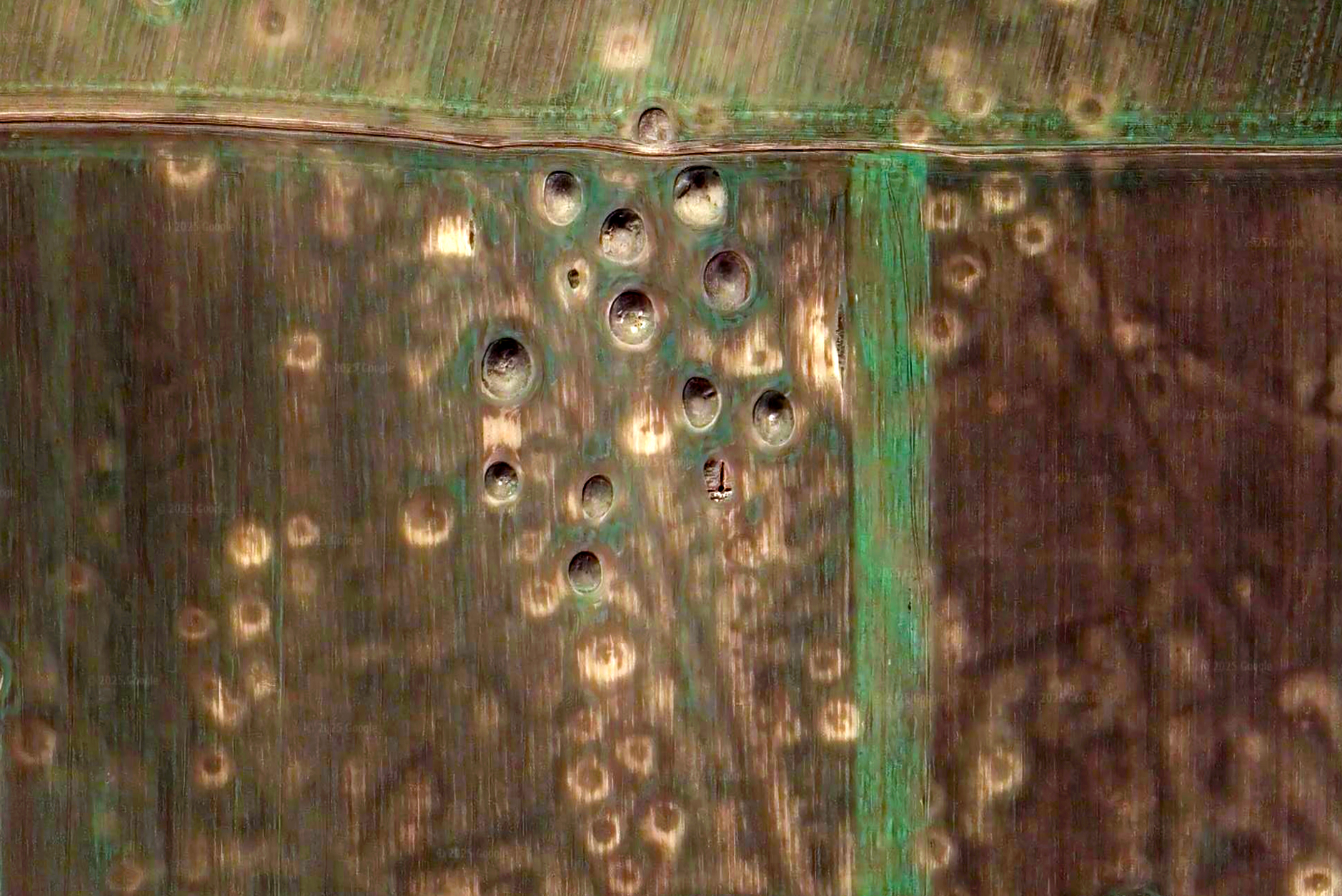
Kurgans have become paradoxes of time, built to hold the dead and now sustaining the last traces of wildlife.
Yet, they are vanishing - flattened into fields, leaving ghostly rings visible in satellite images.
Yet, they are vanishing - flattened into fields, leaving ghostly rings visible in satellite images.
Mapping
Kurgans
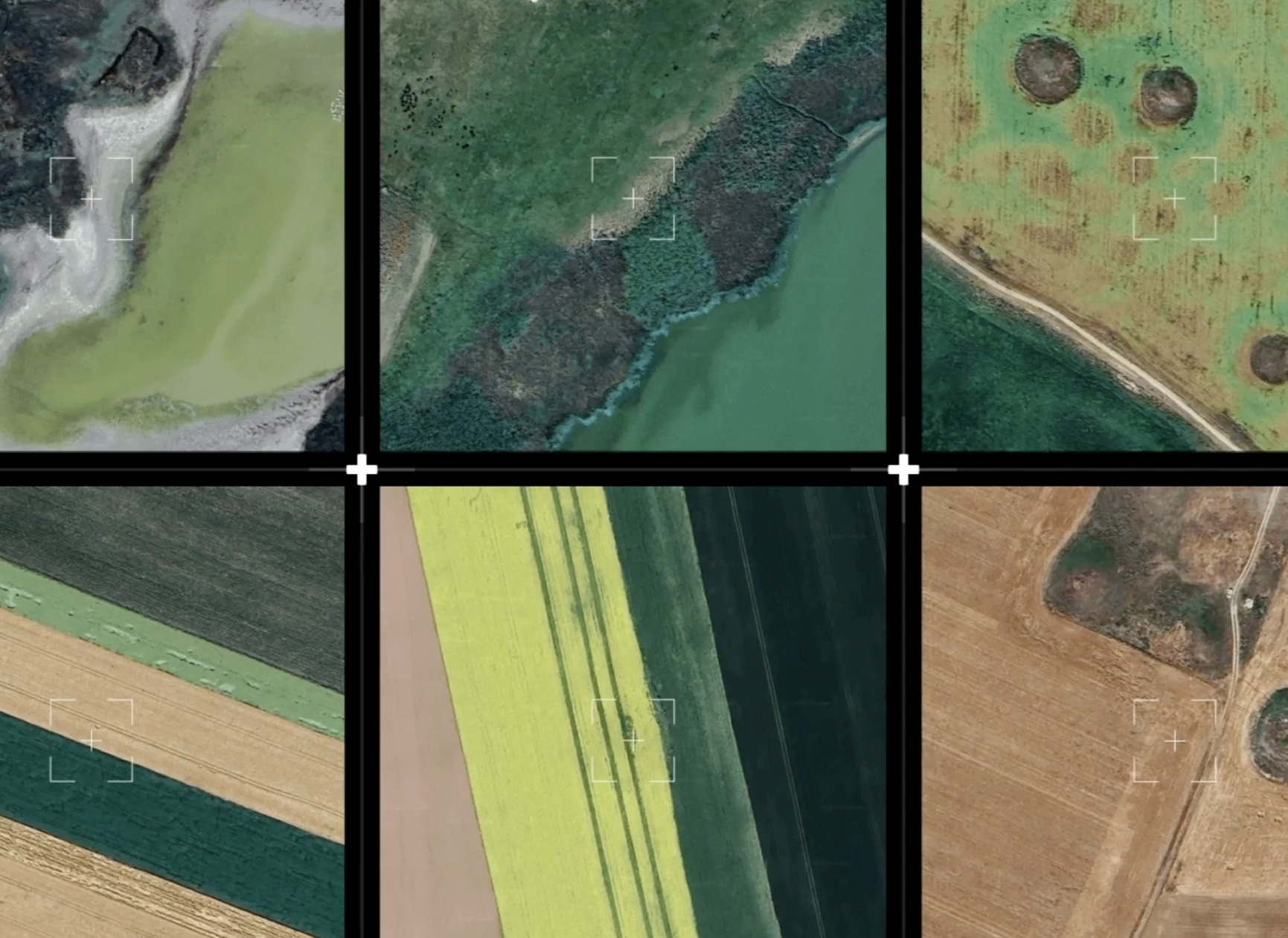
As part of the project we looked at maps tracing Kurgans. We coded two python programs to extract data for the work Our Salvia. One program extracts data on kurgans’ location from the Romanian Cartographic Server for National Cultural Heritage while other maps and extracts tiles using Google Map API.
This provided a way of assessing the status of disappearing kurgans. Despite some offsets in the GPS data, these tools allow us to locate, trace, and contextualise the history of these ancient mounds.
This provided a way of assessing the status of disappearing kurgans. Despite some offsets in the GPS data, these tools allow us to locate, trace, and contextualise the history of these ancient mounds.
Marginal
Landscapes
Our Salvia emerged first as a plant study, but it is ultimately about how small, marginal landscapes hold the memory of survival, and how plants themselves signal endurance and fragility. The Salvia we measured may look “fine” today, yet its shrinking flowers and stretching stems reveal stress that may already be written into its form. It is an early warning of change to come.
The project is also about how we come to understand such experience, how observation, measurement, and reflection intertwine. It attempts to hold these layers together: rigorous ecological protocol, artistic interpretation, pressed herbarium sheets, living flowers, ancient cultural mounds and present-day biodiversity refuges.
The project is also about how we come to understand such experience, how observation, measurement, and reflection intertwine. It attempts to hold these layers together: rigorous ecological protocol, artistic interpretation, pressed herbarium sheets, living flowers, ancient cultural mounds and present-day biodiversity refuges.
Visual Notes
From Field to Frame
The project’s development to date premiered at Atelier030202, Bucharest, Romania in 2025.
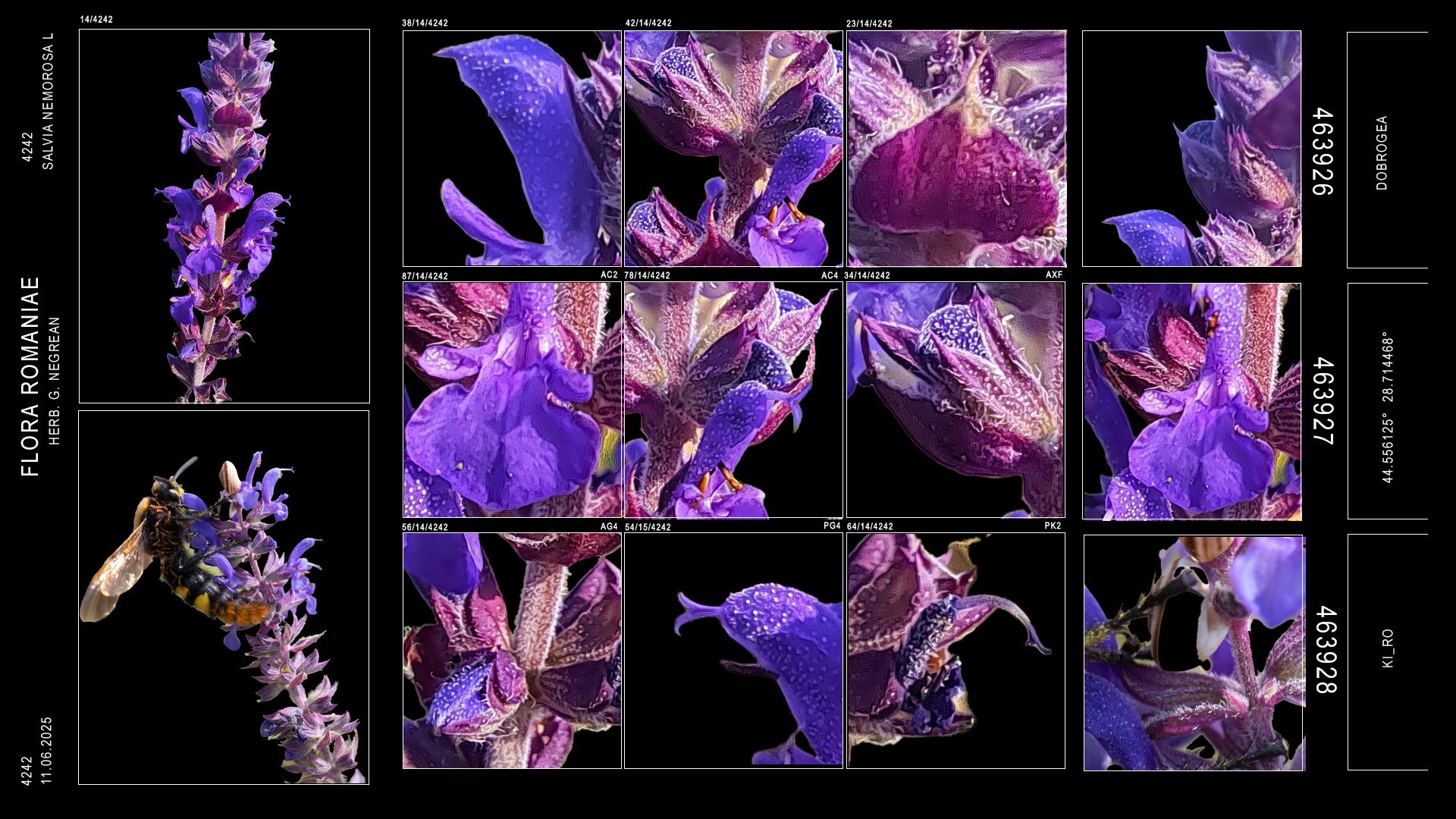
Developed using field data and botanical archives collected in Bucharest and Dobrogea, the work tells a visual story of Salvia nemorosa in small, often overlooked landscapes. The video moves between living plants and pressed specimens, microhabitats and cultural memory, tracing the geometry of quadrants and combining on-site documentation, map and database visualisation, and AI-generated landscape reconstruction to explore the interplay of data, ecology, and memory.
Elements include digital mapping, archival herbarium imagery, field measurement data, and simulated vegetation dynamics, filmed and composited using both real and synthetic materials to bring scientific observation to life.
Developed using field data and botanical archives collected in Bucharest and Dobrogea, the work tells a visual story of Salvia nemorosa in small, often overlooked landscapes. The video moves between living plants and pressed specimens, microhabitats and cultural memory, tracing the geometry of quadrants and combining on-site documentation, map and database visualisation, and AI-generated landscape reconstruction to explore the interplay of data, ecology, and memory.
Elements include digital mapping, archival herbarium imagery, field measurement data, and simulated vegetation dynamics, filmed and composited using both real and synthetic materials to bring scientific observation to life.
Acknowledgements
& Credits
A project by
Dr. Laura Cinti
in collaboration with Dr. Roxana Nicoară, Institute of Biology, Bucharest – Romanian Academy,
and Dr. Howard Boland, C-LAB.
Curated by Andrei Tudose,
Marginal.

Special thanks to: Dr. Marilena Onete (Institute of Biology, Bucharest),
Rodica Iosif (Institute of Biology, Bucharest),
Eugenia Nagodă (Dimitrie Brandza Botanical Garden),
and Sabina Suru (Marginal).
Our Salvia was developed as part of the
Otherwise Residency, co-financed by the Administration of the National Cultural Fund and by the Bucharest City Hall through ARCUB,
in the framework of the Bucharest Together 2025 program.

Shortlisted for Art-Science Breakthrough of the Year 2026 for
Falling Walls.