Work-in-Progress
Creating a Female
The search is ongoing. But what happens if the female is not there?
Becoming Female shifts the investigation from searching for a missing female to exploring whether one might be created. The project investigates alternative conservation strategies for inducing sex change in the existing male plants through chemical and environmental interventions.
E. WOODII &
The Missing Female
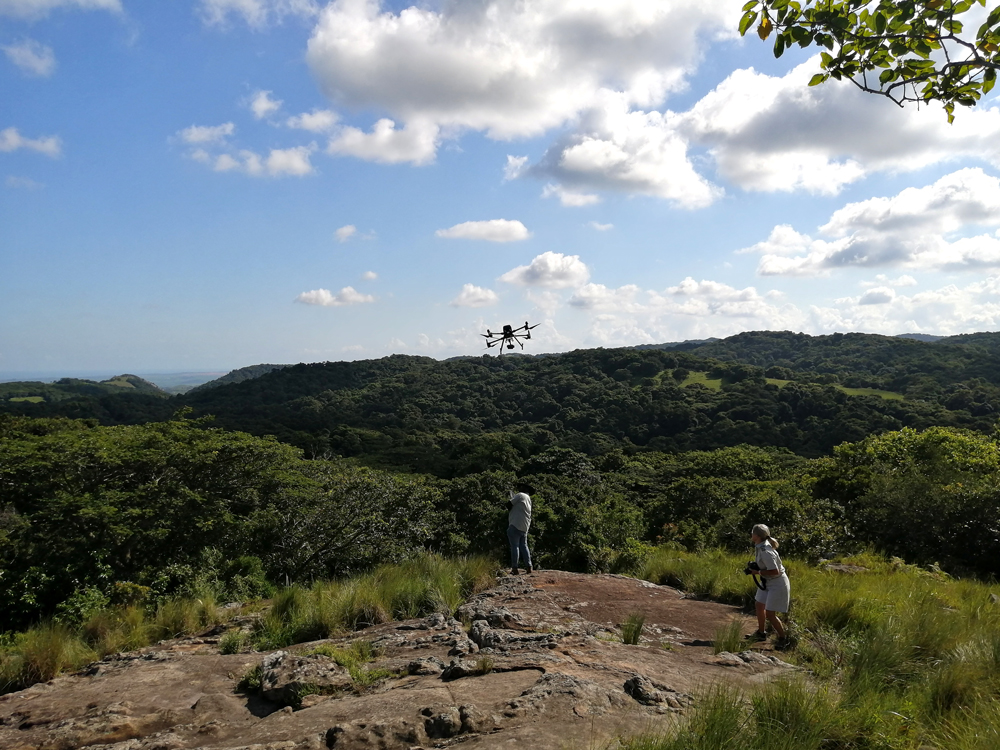
More than a century ago, Encephalartos woodii (E. woodii) was identified in the oNgoye Forest of South Africa. Despite multiple expeditions, no other specimens have been found.
Existing specimens of E. woodii, whether in botanical gardens or private collections around the world, are propagated from offsets of a single pollen-producing individual that was removed from the forest in the early twentieth century. The resulting clonal lineage has prevented the species from disappearing entirely.
From a biological standpoint, cycads are unequivocally dioecious: their reproduction depends on a structural separation of pollen- and seed-bearing organs across distinct individuals.
Lacking a female counterpart, E. woodii is confined to clonal repetition, no possibility exists for genetic renewal, only endless offsets of the same pollen-producing lineage.

SEX REVERSAL &
Experimental Approaches
Could a species be 'saved' by changing its sex?
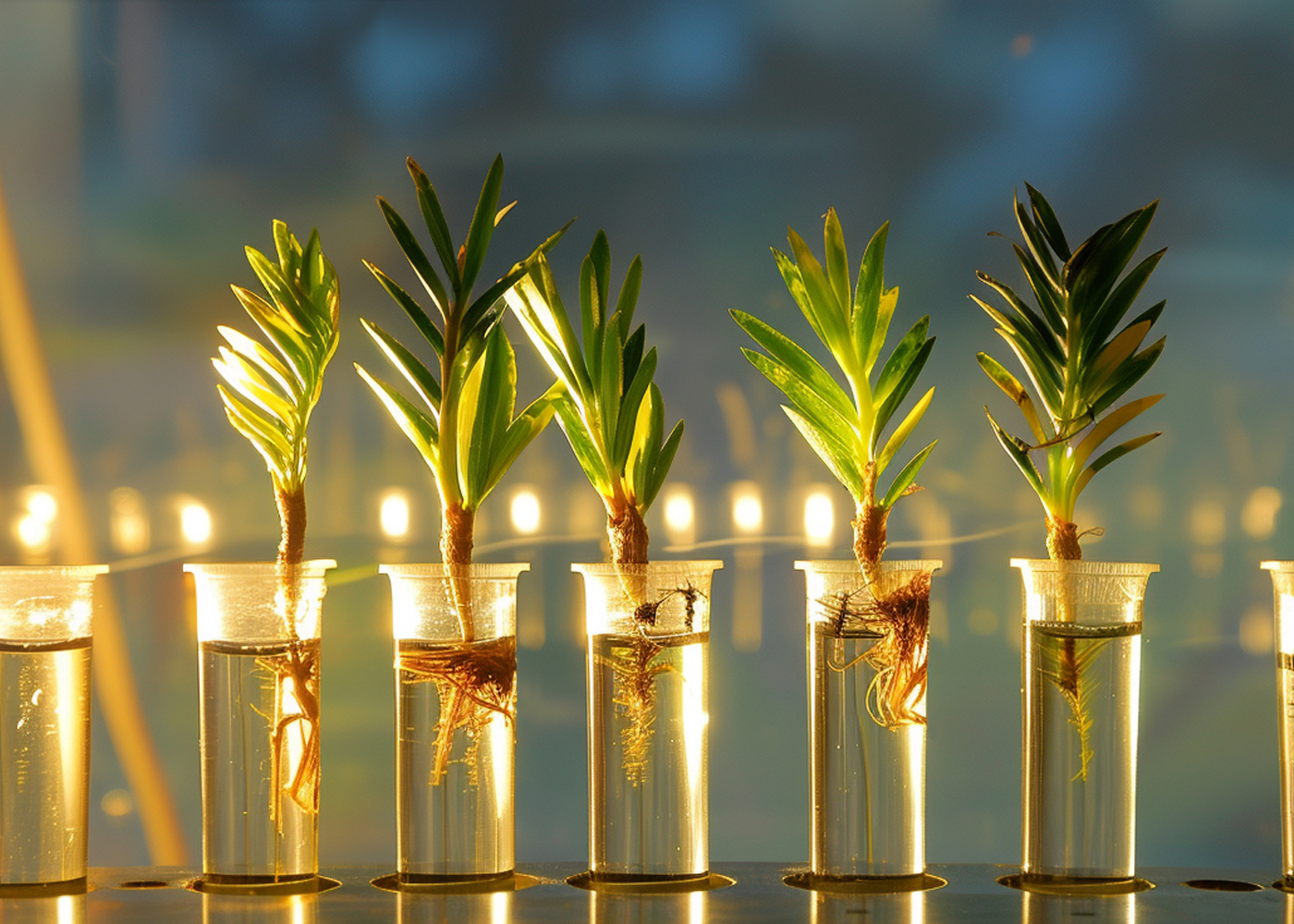
Sex change represents a more radical, speculative path. The use of chemical agents and tissue culture techniques could potentially induce the development of female reproductive organs in a genetically male plant.
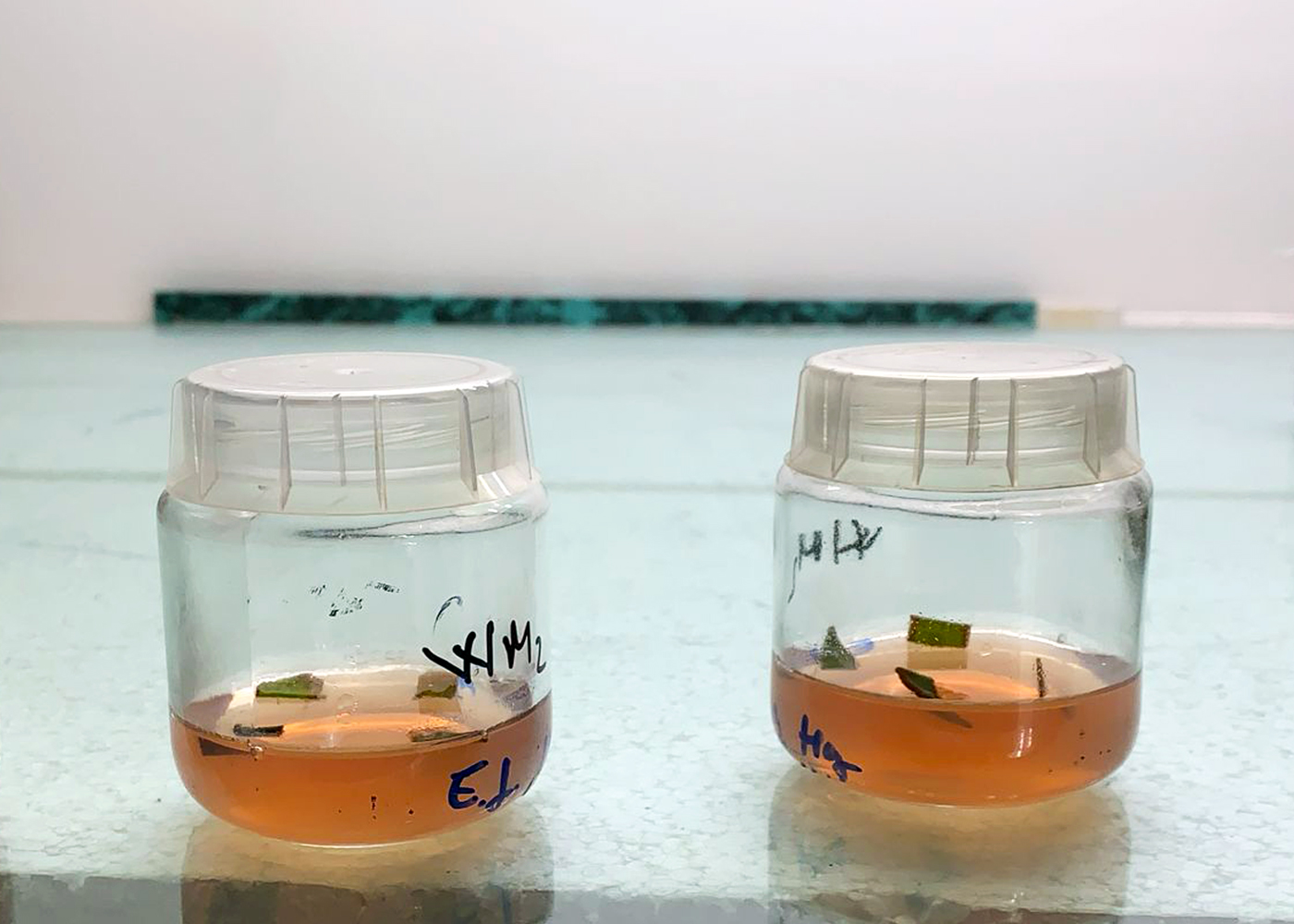
Initial laboratory work is underway and early-stage micropropagation protocols are being tested, marking the beginning of an experimental phase that explores the biological limits of intervention.
HYBRIDISATION
Backcrossing with close relatives
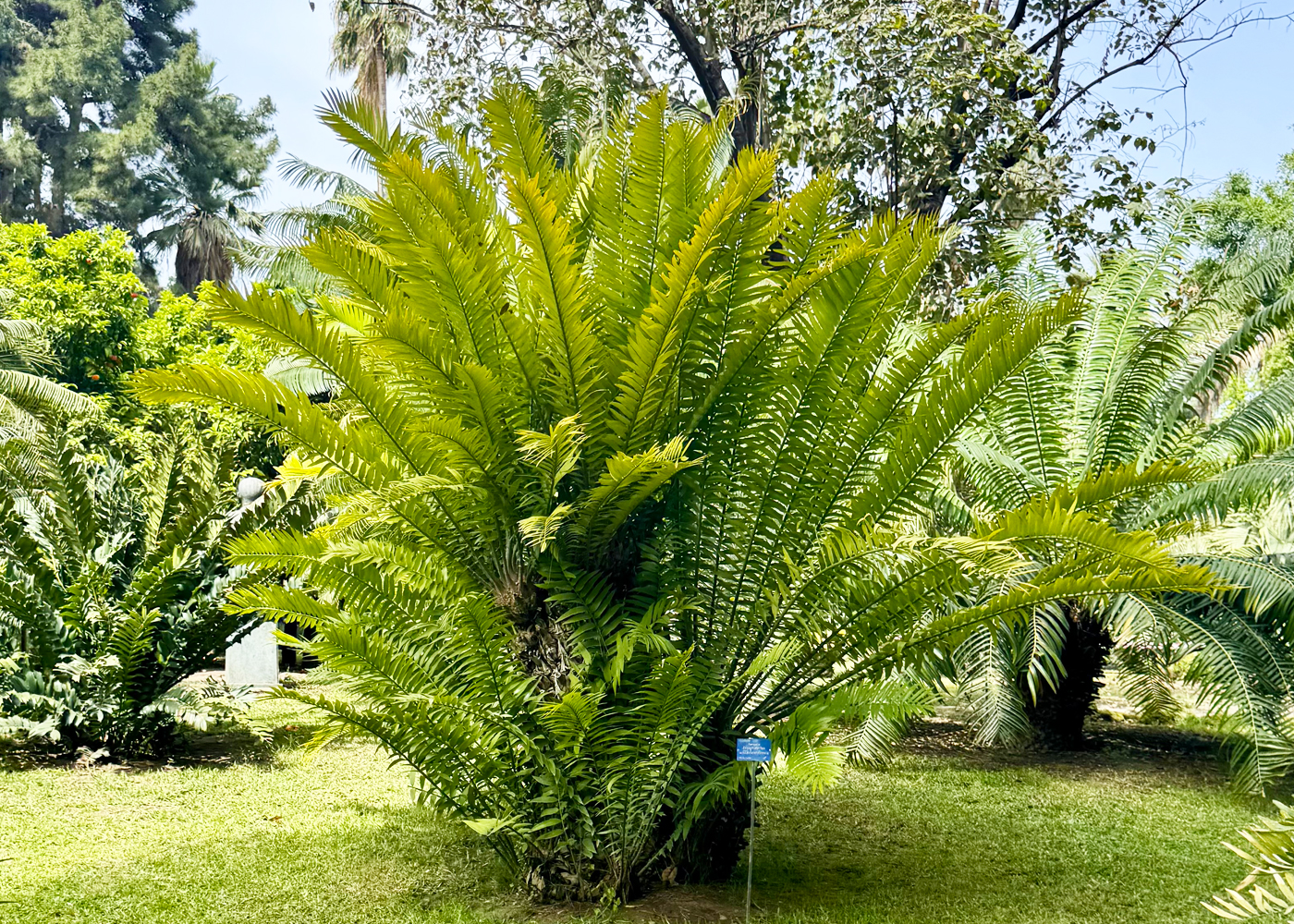
Hybridisation involves crossing E. woodii pollen with ovulate cones of closely related species, such as
Encephalartos natalensis. If these offspring are repeatedly backcrossed with E. woodii across multiple generations, a lineage may eventually emerge resembling “pure” E. woodii. Yet each generation inherits genetic material from a maternal lineage, complicating questions of authenticity and species boundaries.
INDUCING SEX CHANGE
In tissue-cultured plantlets
The process is slow and uncertain. E. woodii is difficult to propagate through tissue culture, and even successful sexual reproduction would involve lengthy germination and development. No sexually produced E. woodii offspring have been documented.
Becoming Female explores what it might mean to intervene in the reproductive biology of a species that has survived for more than a century without a female and whether producing one would truly “save” the species.
IMAGINING THE FEMALE
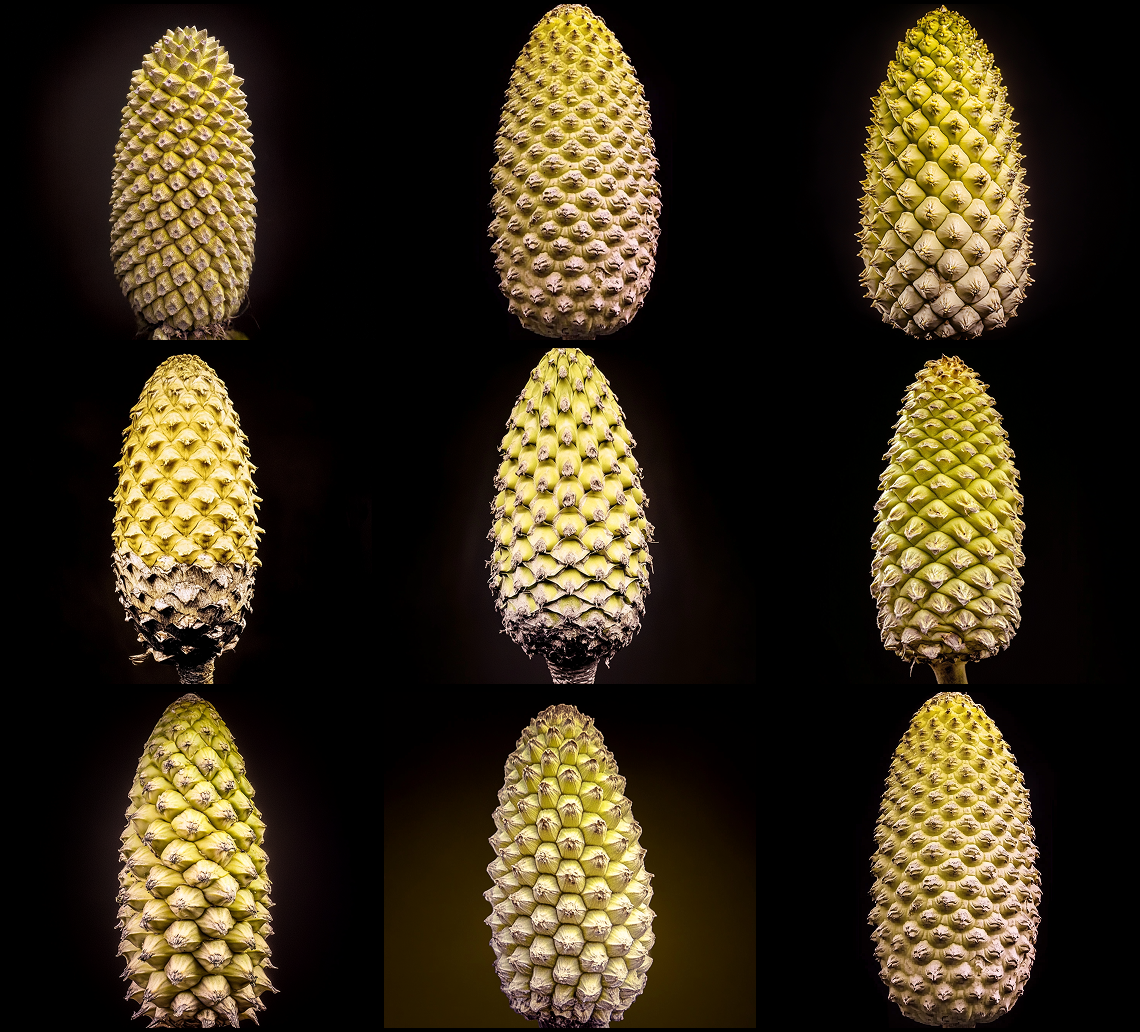
Speculative Cone
Creating a female raises a different question: can a species be conserved by changing it? Can a species be conserved by changing it?