c-lab
As part of a series of new research engagements stretching back around 3 years, c-lab has entered into two new fields of art-science engagements. The first looks at sensoriality and plants, whilst the other descends upon synthetic biology working with bacteria. The latter, synthetic biology, recently saw its first steps into a university lab exploring techniques towards designing new interactive systems.
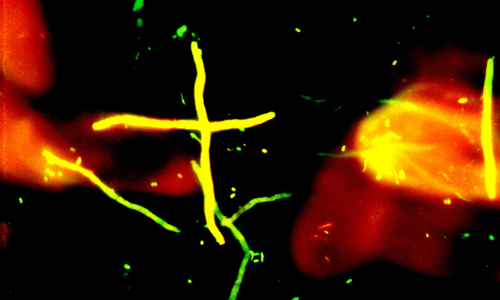
The research situates its daily practice in a microbiology laboratory amongst PhD research students and post-docs from the biosciences. As a novel deployment of art-science practices at the University a fruitful exchange between the two fields emerge from a unique contact point of unfamiliarity. Joint supervision between the arts and sciences is instrumental.
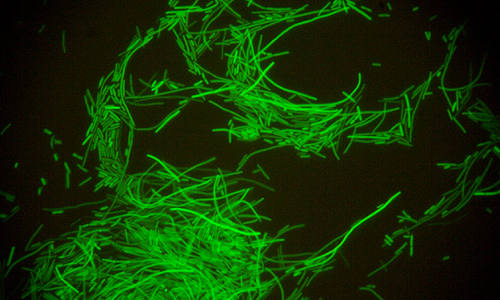
Synthetic biology is a distinctive field that combines standard laboratory practices with principles of electronic engineering in order to push genetics towards more advanced discipline through standardisation. One strategy involves the use of biobricks™ or genetic parts that can be pieced together part-by-part, a bottom-up approach, that can introduce a combination of new characteristics in organisms that can perform a network of interaction turning organisms into devices.
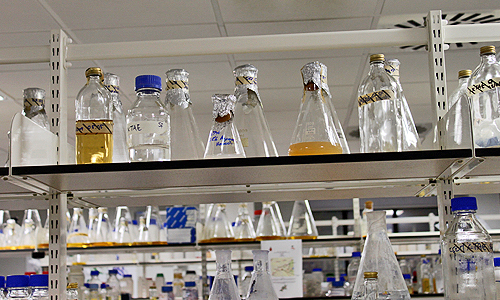
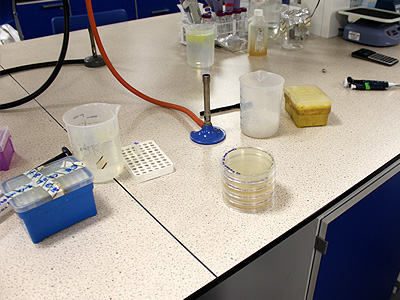
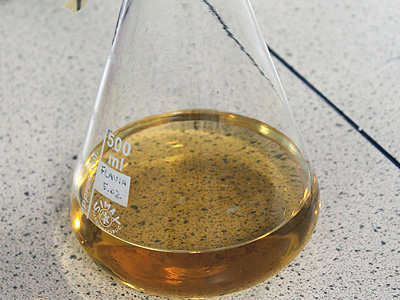
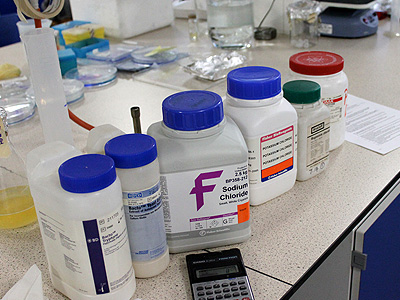
Preparing media is often akin to following a kitchen recipe however the measurements are more minute and concentrations need precise calculations.
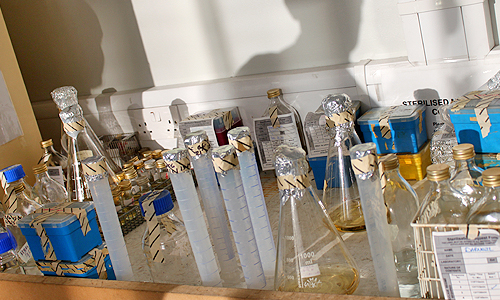
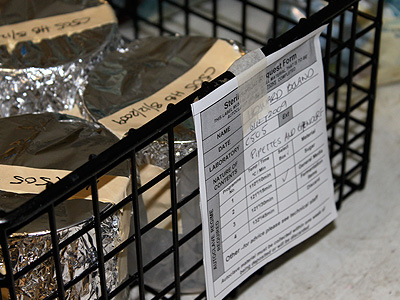
Keeping the media and instruments sterile is essential for controlled development. This research follows standard laboratory requirements which include providing safety forms, autoclaving instructions for technical staff and of course preparing various media from protocols.
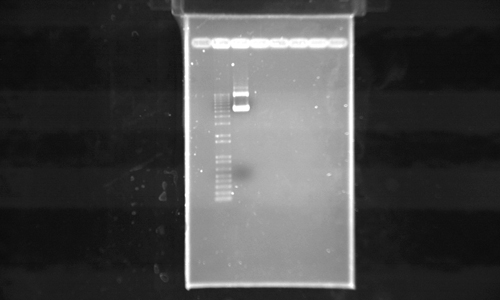
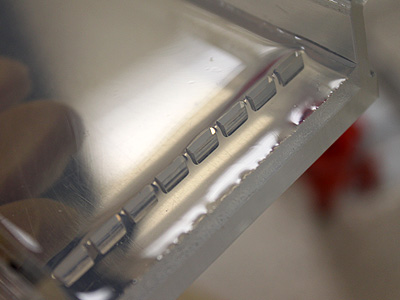
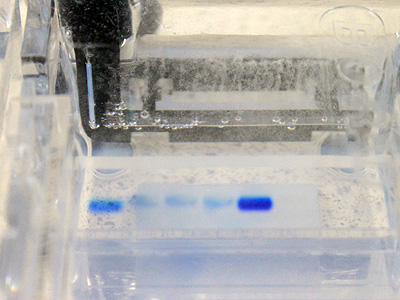
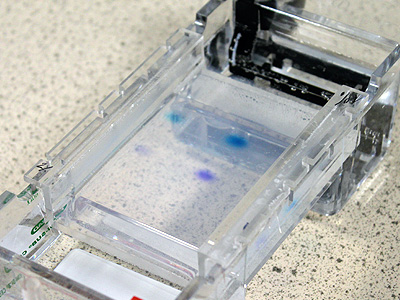
Running Gel is a technique used to detect and visualize DNA fragments. This technique is also used in extraction of genetic fragments or what synthetic biologists call parts. It is a process that materialises DNA into something visible.
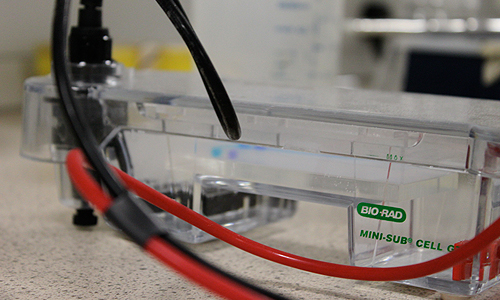
As the DNA will migratating through agarose gel. The coloured elements help guide how far down the solutions have migrated, but the DNA fragments only becomes visible when stained with flourscent dye (Ethidium Bromide) and viewed under UV light.
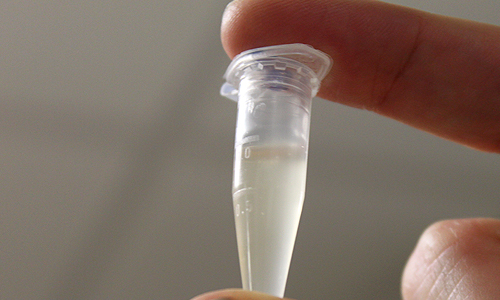
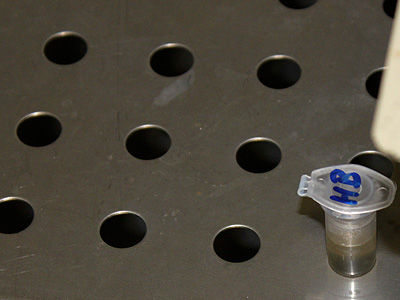
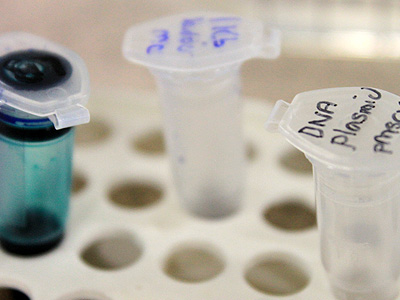
Transformation of bacteria by introducing foreign pieces of DNA, plasmids can be added resulting in bacteria producing new materials. A shock is needed to force the plasmid through the bacterial cell wall, by moving the tube between ice and a waterbath the cell wall becomes disrupted allowing the plasmid to enter.
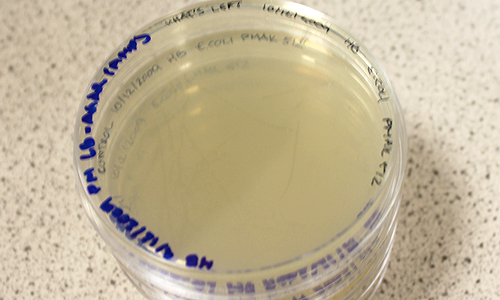
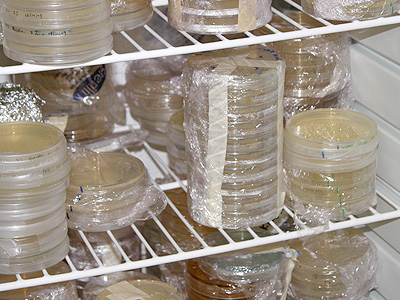
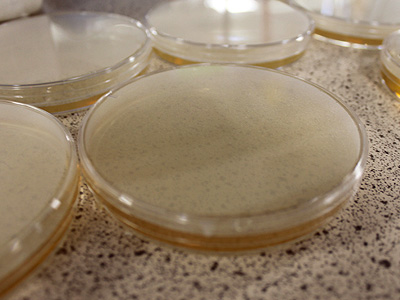
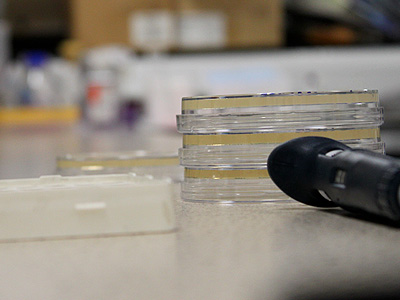
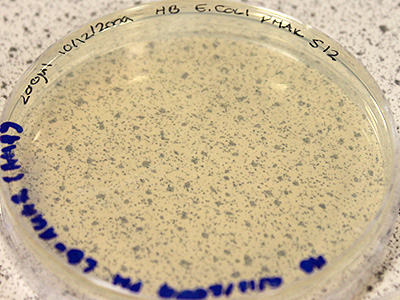
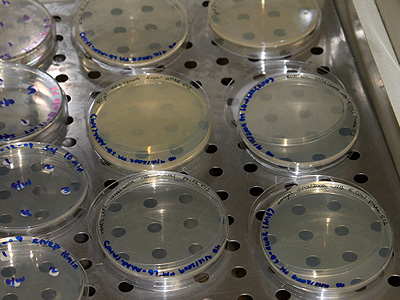
The transformed bacteria is poured onto plates with antibiotics, those transformed become resistant and will survive - leaving us only with bacteria expressing the new material.
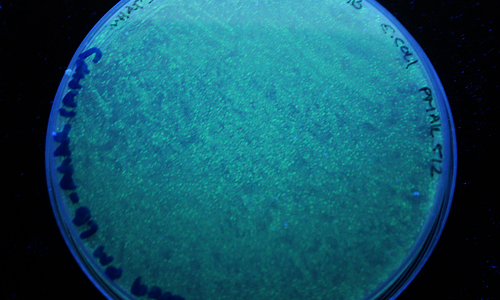
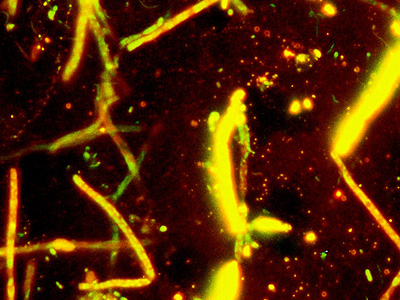
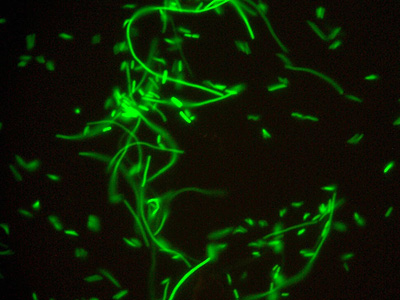
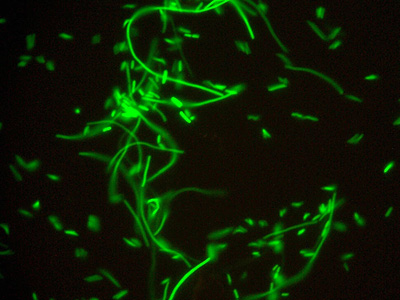
Giving them time to grow overnight, they now carry a new expression which under UV-light gives an irredescent green glow, by continiousley creating a new material - green flourescent protein.