Art, Synthetic Biology and DIY
Working with living systems beyond the laboratory
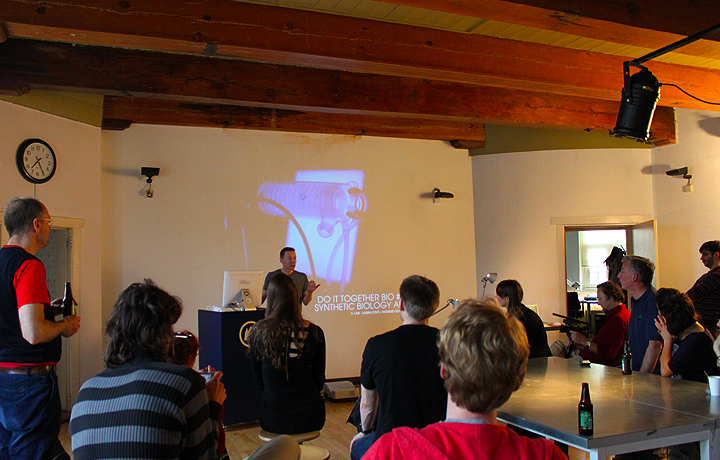
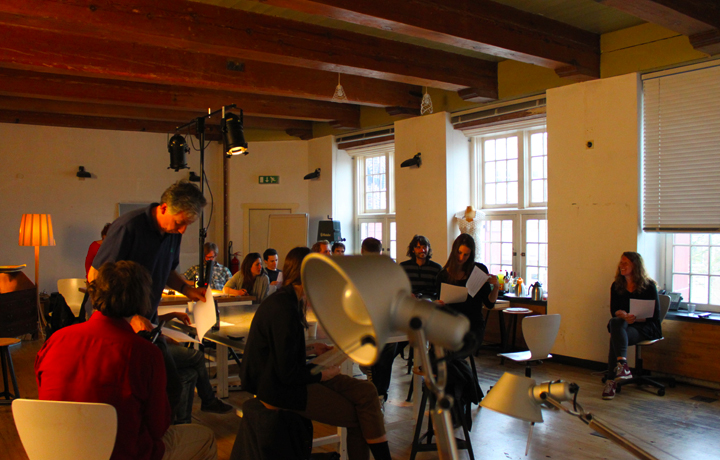
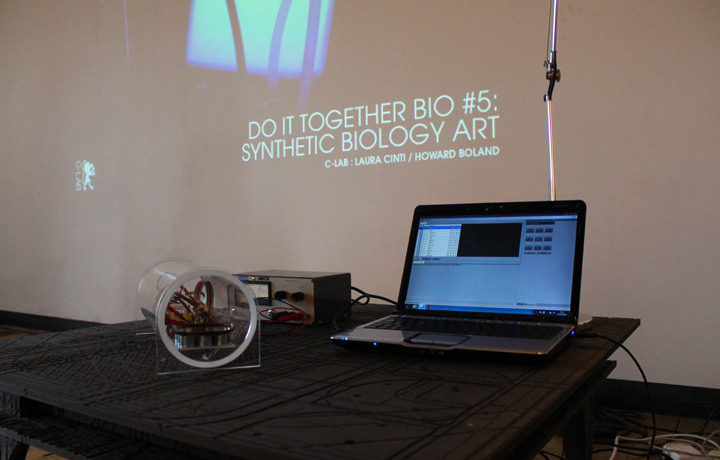
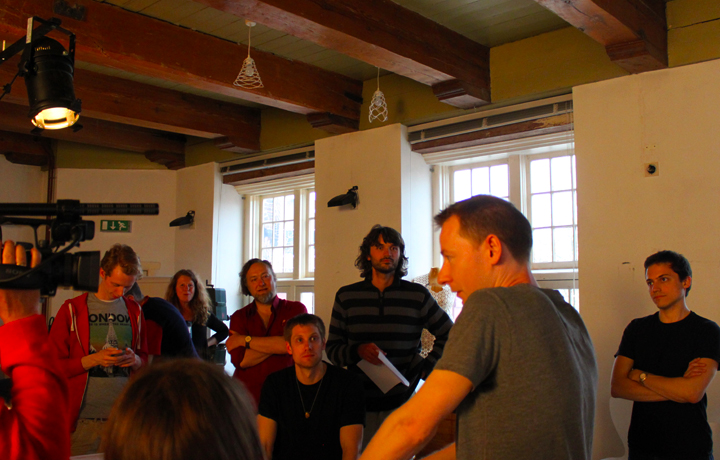
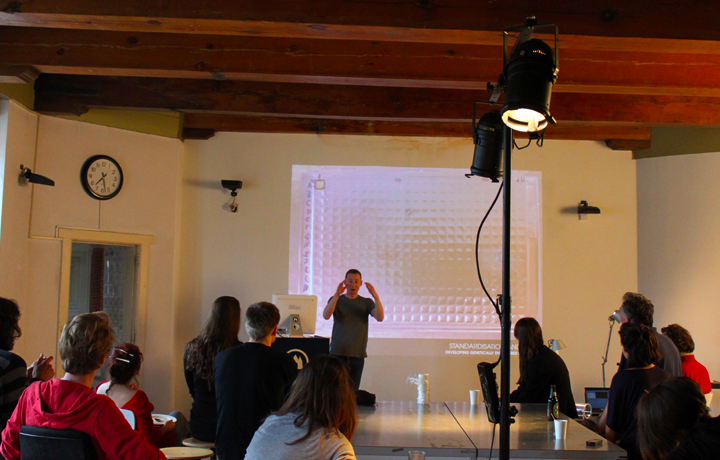
As part of Waag’s “Do it Together Bio” series, C-LAB was invited to hold a workshop related to our work with synthetic biology. The workshop was held at De Waag, one of the oldest building in Amsterdam and the place where Rembrandt famously painted The Anatomy Lesson of Dr. Nicolaes Tulp in 1632.
When Biology Meets the Public
The challenges of working with genetically modified organisms in public spaces
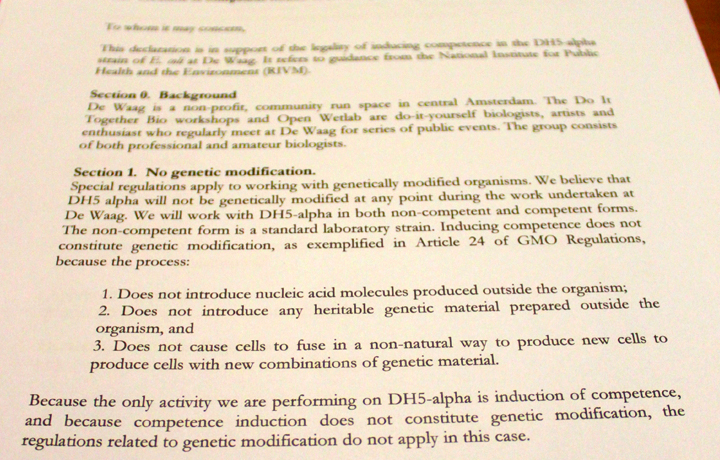
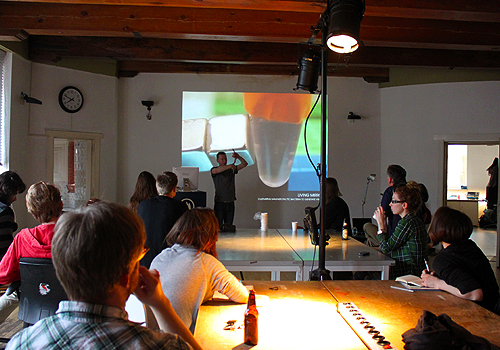
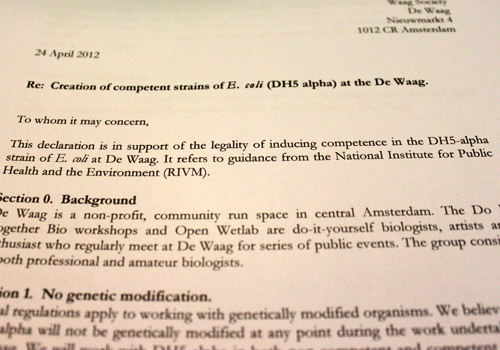
Genetic modification (GM) is an integral part of many synthetic biology practices and presented an immediate challenge for the workshop since the premises did not hold a GM permit. The workshop therefore explored these issues in relation to our own practice, as our current work Living Mirror was facing precisely these challenges in publicly exhibiting genetically engineered bacteria as part of an artistic installation in the Netherlands.
How Close Can We Come?
Following scientific protocols in a DIY setting
Only recently were we able to host UK’s first living synthetic biology exhibition and substantial effort was required to make it possible, allowing a public audience to experience such organisms - in many for the first time.
How, then, can the growing DIY communities across Europe participate in the opportunities afforded by synthetic biology? Can we foresee a possibility of public participants at the Waag doing genetic manipulation and, if so, when? And what are the regulatory challenges we face when making these 'living' technologies public?
Synthetic Biology in Practice
Exploring synthetic biology through artistic and laboratory practice
At this point, we could not carry out genetic modification at Waag, so we asked: How close can we come, and is it possible to follow a scientific protocol in a DIY environment?
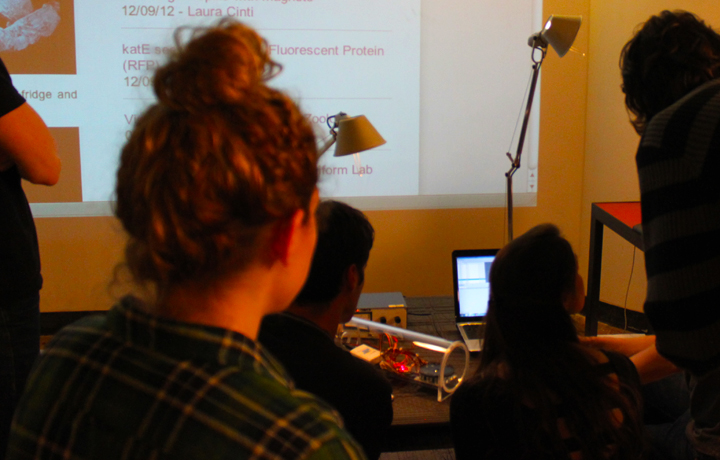
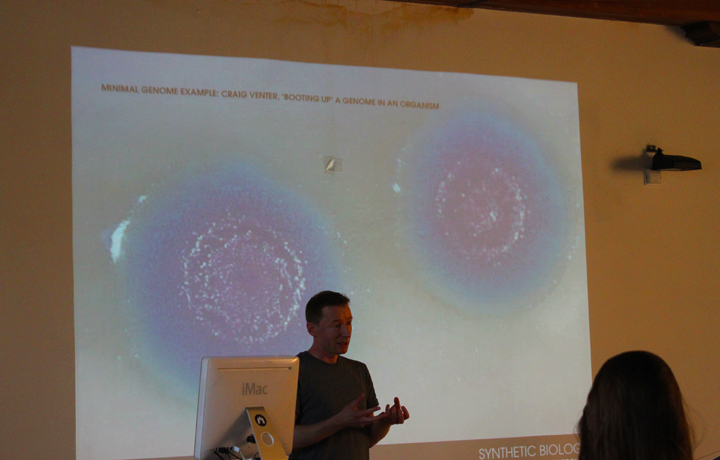
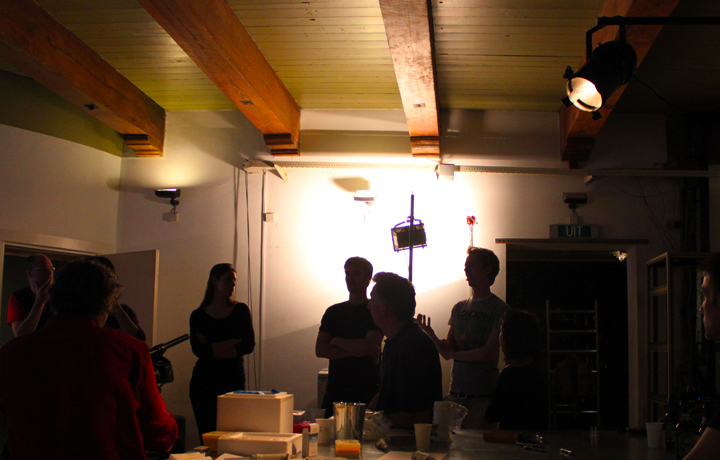
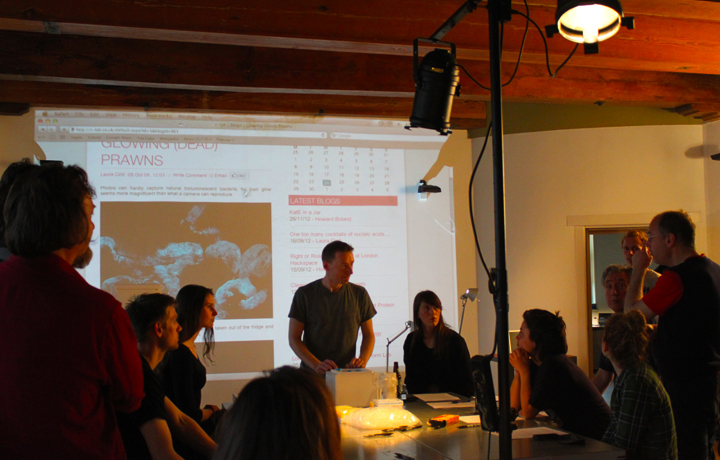
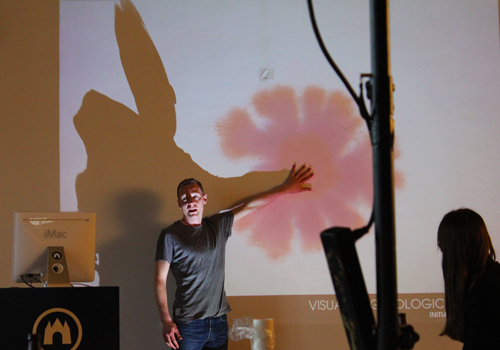
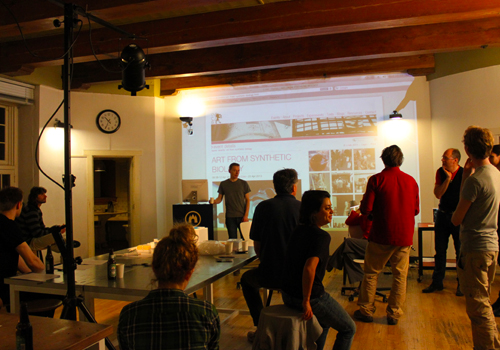
We decided to split the evening into several acts; the first looked at the opportunities and challenges surrounding synthetic biology by reviewing recent activities from C-LAB and Howard Boland’s laboratory-based research.
Making Competent Cells
Preparing bacteria to take up foreign DNA
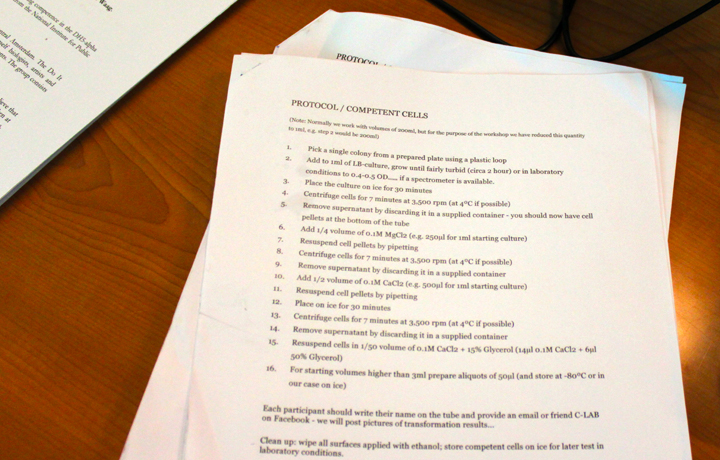
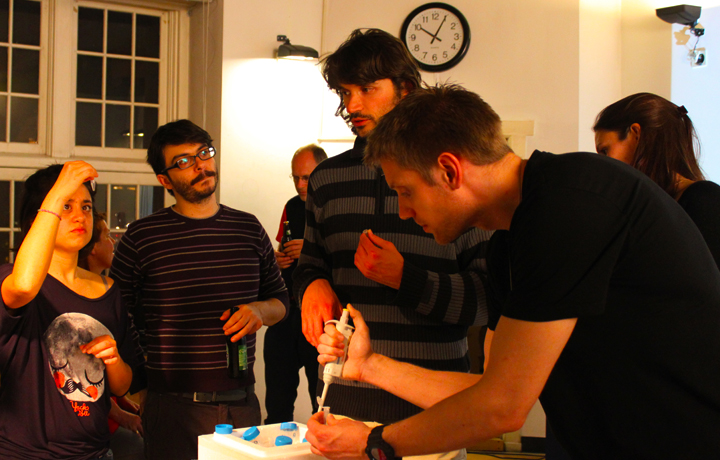
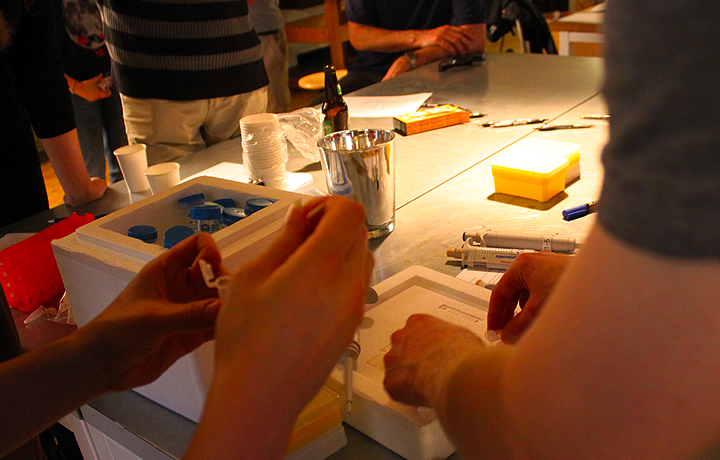
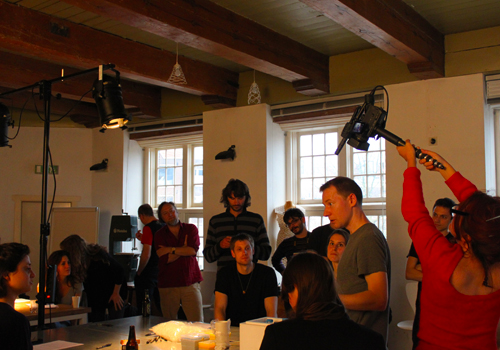
The second act involved following a scientific protocol to make competent cells: preparing bacteria to become capable of taking up foreign DNA. This is a step required before bacterial cells can be genetically transformed.
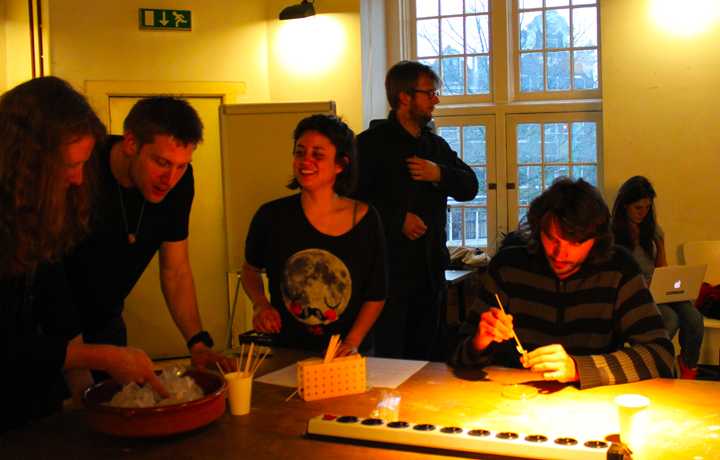
The process involved growing the bacterial culture, cooling the cells on ice, centrifuging them, removing the liquid, and resuspending the cells in different solutions before preparing them for transformation.
Learning the Tools
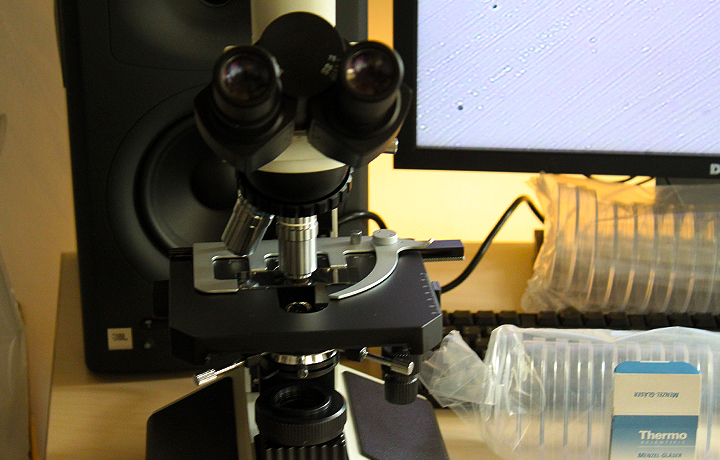
Pipettes, centrifuges and microscopes
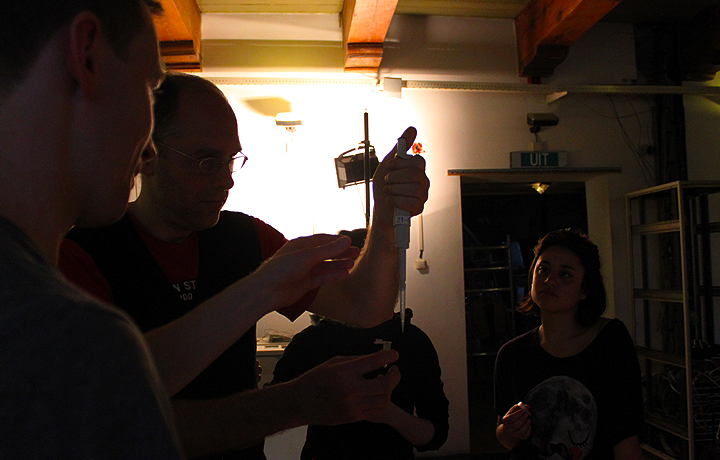
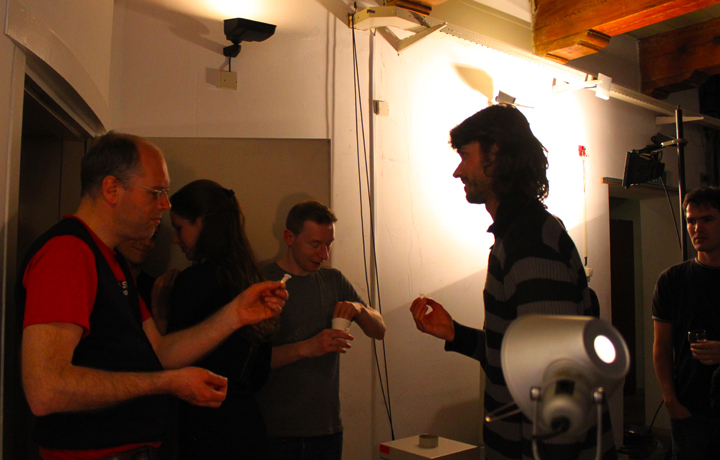
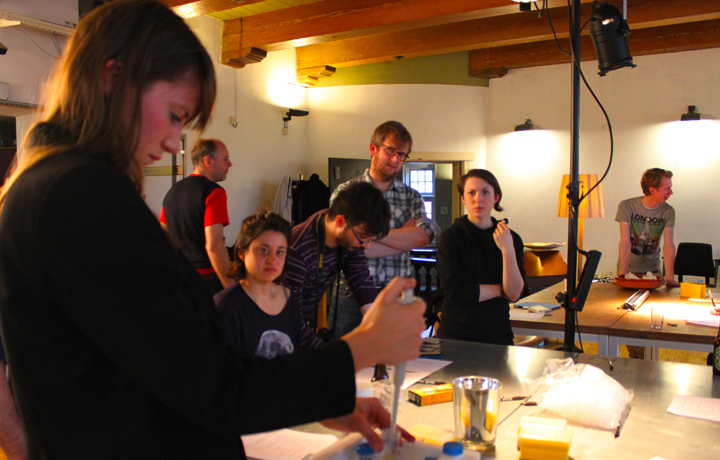
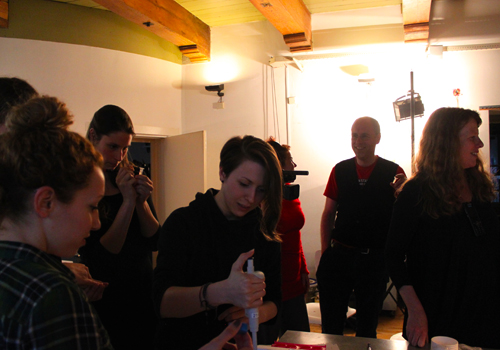
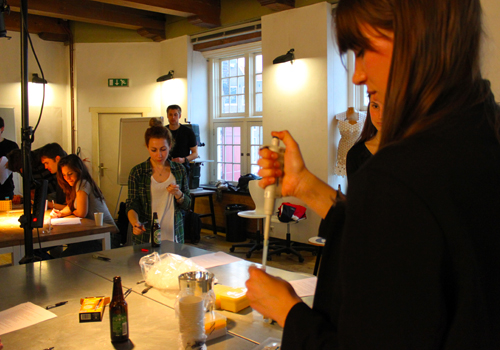
Participants came from a range of backgrounds, with varying levels of experience using scientific tools such as pipettes, centrifuges and microscopes, equipment commonly used in genetics research.
Living Mirror
Developing a biological interface for public interaction
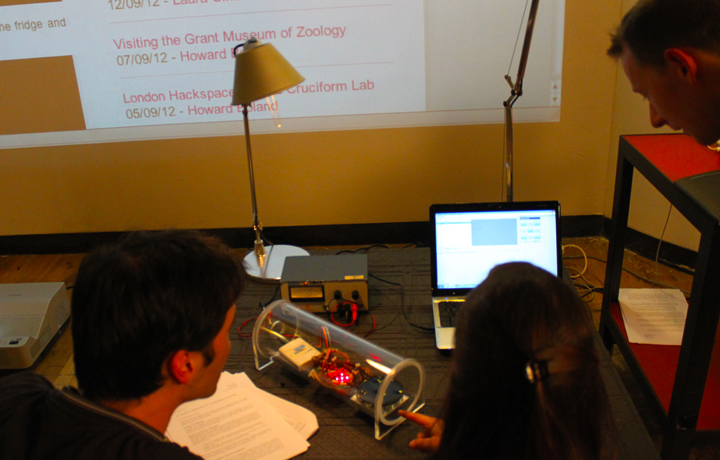
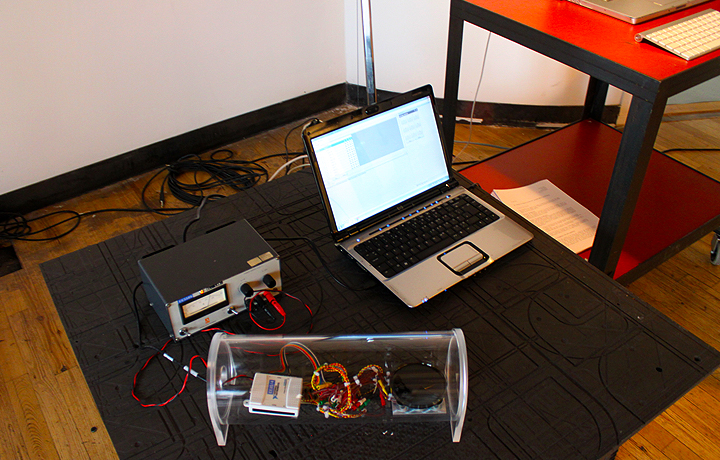
Thirdly, we looked at the current prototype and development of Living Mirror, which explores how living organisms can become part of a public interactive system. The work uses magnetotactic bacteria, Magnetospirillum gryphiswaldense, which naturally produce magnetic particles within their cells and respond to magnetic fields. By controlling their orientation with an array of magnetic coils, the collective movement of the bacteria can produce a shimmering image.
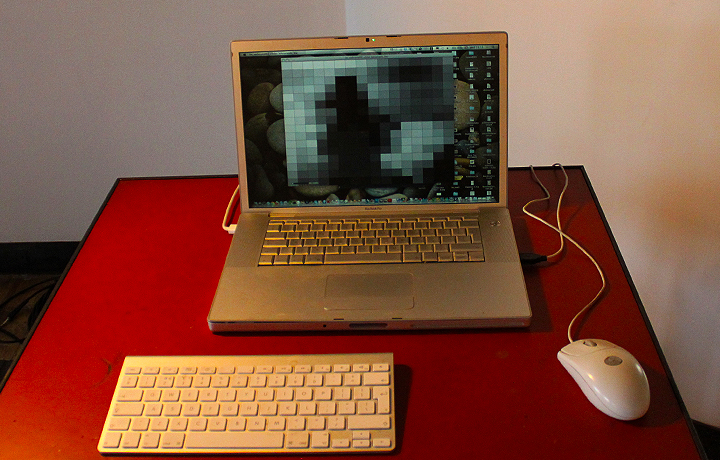
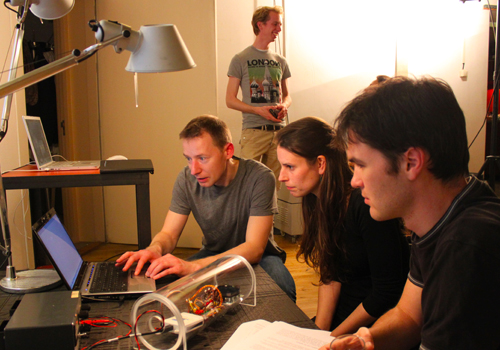
Developed through a residency at AMOLF in Amsterdam, Living Mirror combines biological research and genetic modification with a bespoke system integrating wetware, software and hardware. A live video feed of a viewer’s face is translated into pixel values that control the magnetic coils, modulating the bacteria and generating a changing image in real time. At the time of the workshop, the project was still in development, providing a direct example of the challenges involved in bringing genetically engineered organisms into public settings.
Bacteria Compass
Exploring interaction at the scale of individual bacteria
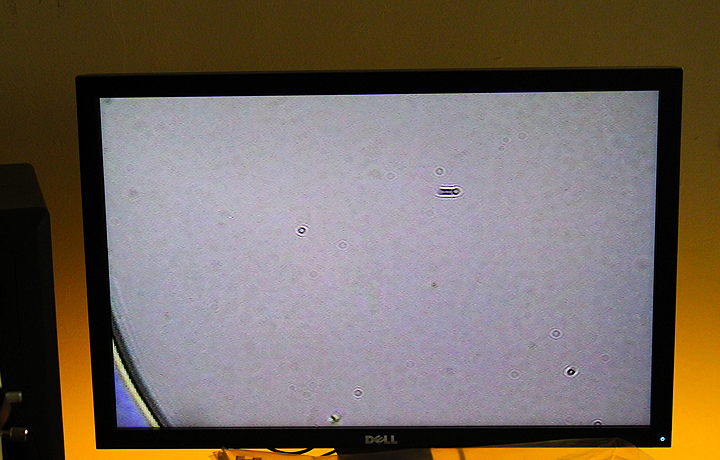
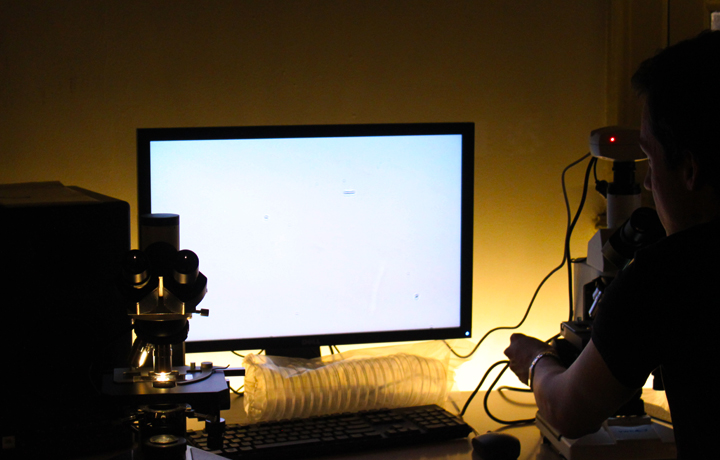
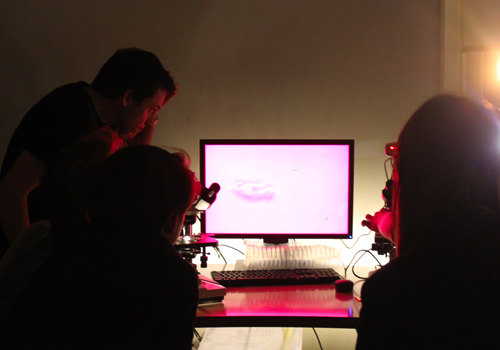
And finally, we explored the interactive potential of bacteria through Bacteria Compass, which uses magnetic nanoparticles, bacteria, microscopy and an external magnet to explore how individual cells can be directed. The project used genetically modified, fluorescent bacteria, making it possible to observe their movement under a microscope while steering them with an external magnetic field.
Exploring Living Systems
Techniques for visualising and manipulating living cells
Through these acts we sought to get intimate with living cells and explore scientific techniques for manipulation, rather than the more common DIY practices focusing on building instruments.
Working in the DIY Lab
Reproducing laboratory processes outside conventional settings
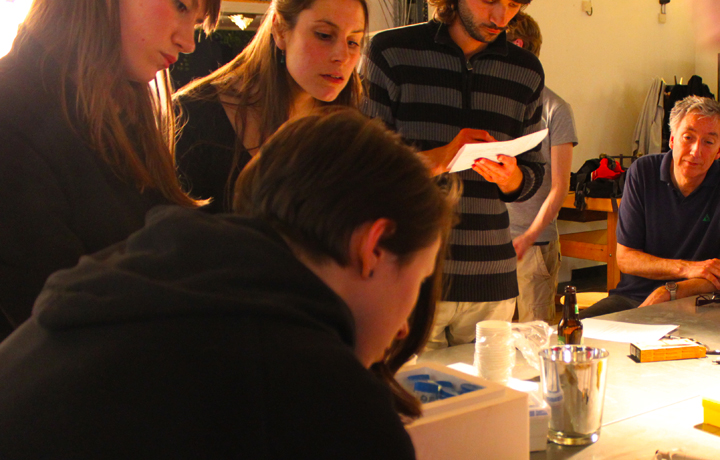
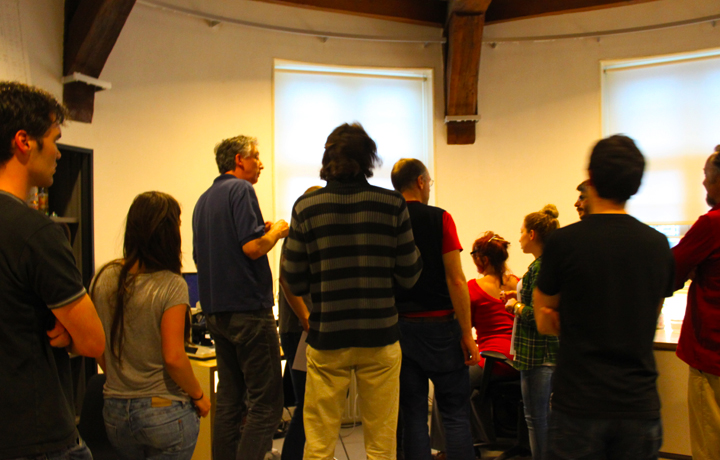
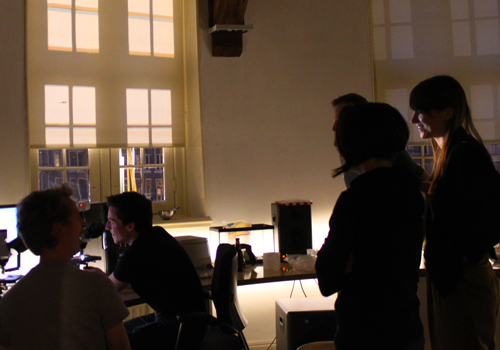
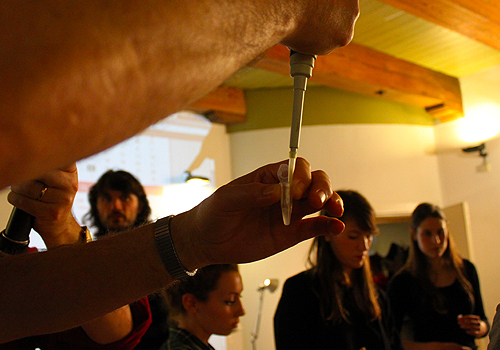
The newly established Open Wetlab at Waag provided the equipment and tools needed to follow most of the steps involved in preparing cells for genetic transformation, including centrifuges, micropipettes, incubators, ice baths and microscopes. Working at shared tables, participants followed the protocol step by step. The process involved a series of repetitive operations, such as transferring measured volumes, centrifuging for specified durations, removing the supernatant and resuspending the cell pellet, giving participants a direct experience of how laboratory procedures could be reproduced in a DIY setting.
What Comes Next?
Safety, regulation and the boundaries of DIY biology
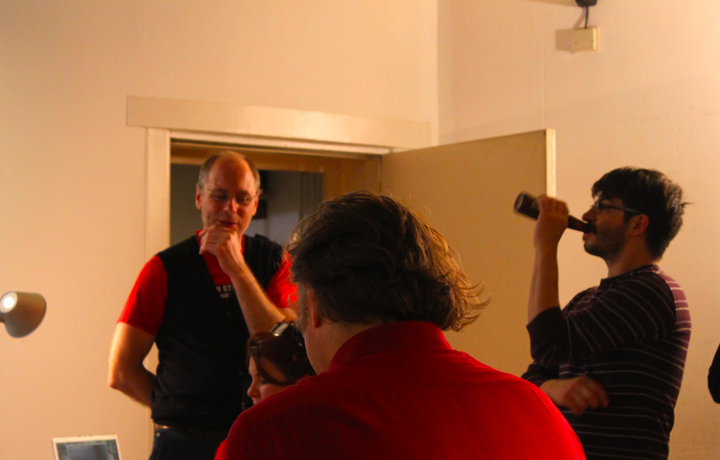
We concluded the workshop with a discussion about whether the DIY community should be able to take the next step, of introducing foreign genetic material into the cells, and what would need to be in place for this to happen. This included questions around the disposal of biological material and how DIY communities might develop and regulate their own safety protocols.
To test the cells that some participants had prepared, we brought them back to the laboratory and carried out a transformation. This allowed us to test whether competent cells could be prepared successfully in a DIY setting and subsequently used for genetic transformation in the laboratory.
Testing the Cells
From the DIY laboratory back to the research laboratory
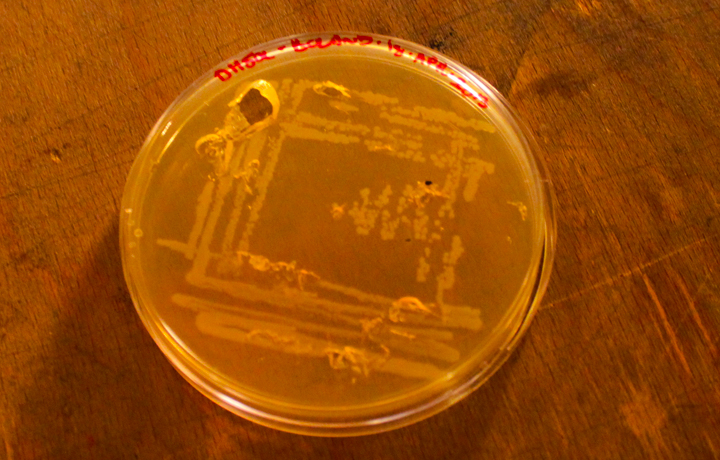
The cells produced during the workshop were transported to the AMOLF laboratory, where C-LAB was based at the time, and a transformation was subsequently carried out using a red fluorescent protein (RFP) construct. The resulting colonies exhibited red fluorescence, confirming that the cells prepared during the workshop were competent to take up the plasmid and support subsequent protein expression (Fig. 6).
Participants were informed of the results, and a video documenting the transformation was made available online.