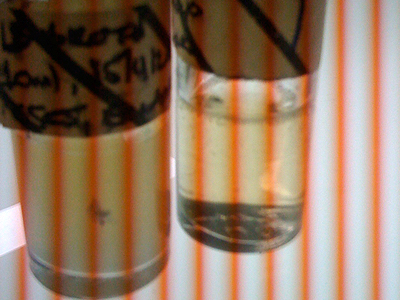
The bioart session organised by Howard Boland (c-lab) was divided into 3 stages to give participants hands-on experiences, show breadth of practitioners and discuss critical aspects linked to these practices.
The session was part of a PhD forum that aims to develop critical discussions on theory and research practices between The Centre for Research and Education in Arts and Media (CREAM) and The Communication and Media Research Institute (CAMRI) at the University of Westminster.
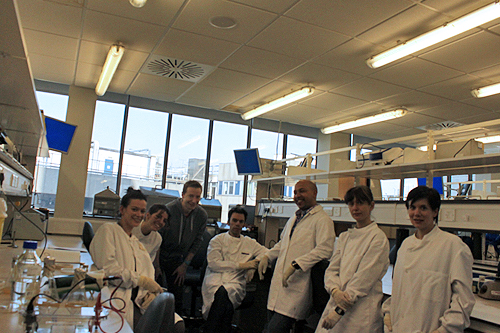
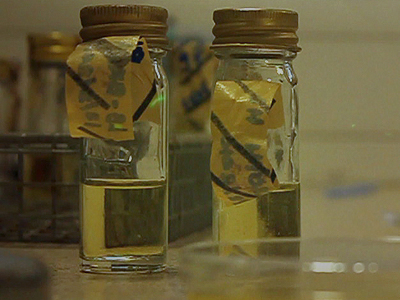
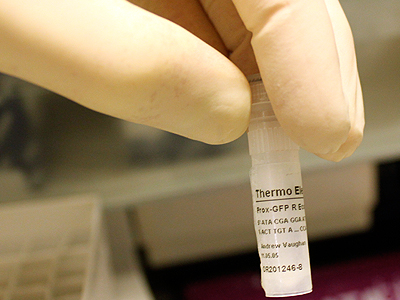
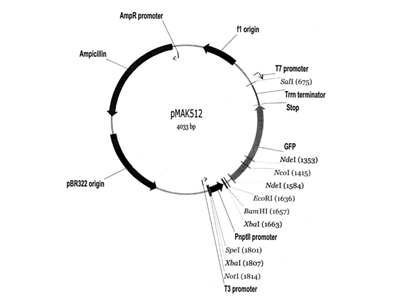
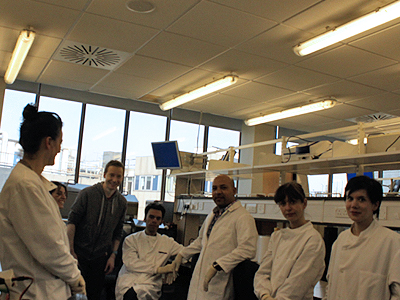
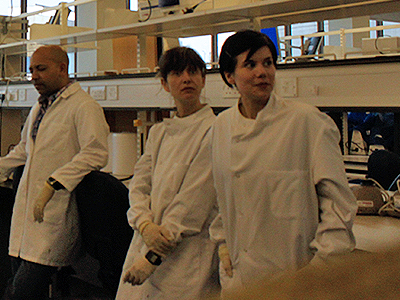
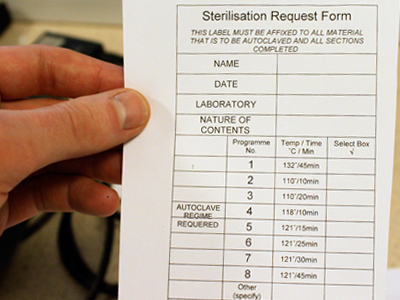
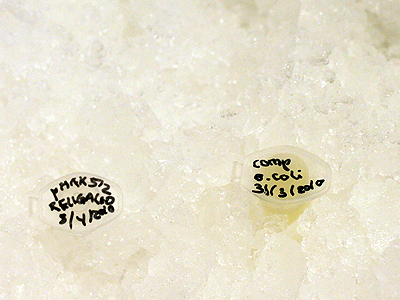
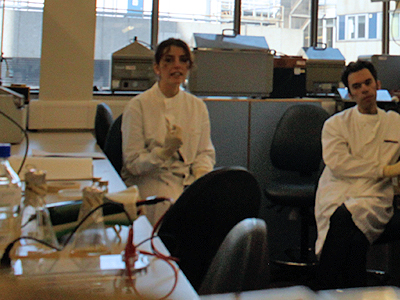
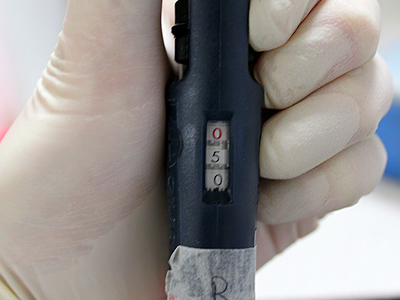
A laboratory session was held prior to the discussion at the department of Molecular and Applied Biosciences where participants were invited to see and experience techniques, materials and instruments used in genetic engineering and synthetic biology. Procedures such as cutting out DNA parts (digestion), aligning and inserting new parts (ligation), separation of DNA (running electrophoresis gels) and finally placing genetic material (plasmids) into organisms (transformation) were shown and discussed towards its potential as an artistic media.
The session proved particularly useful in bridging concepts across disciplines by looking at overlapping operations and signification processes. By interacting with the space and materials, the aim was to provide a deepened understanding between how this knowledge space can be interrogated towards the production of art works.
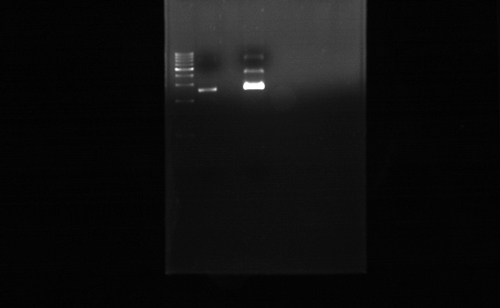
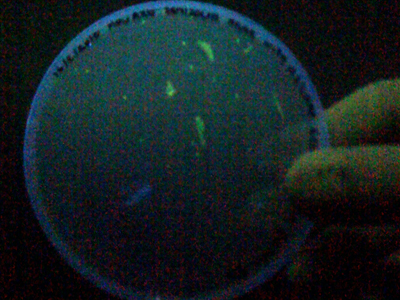
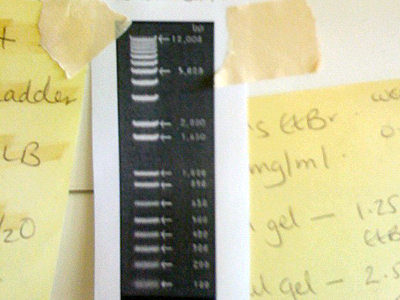
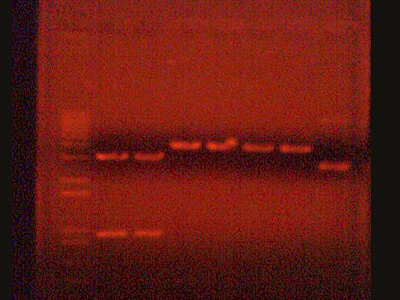
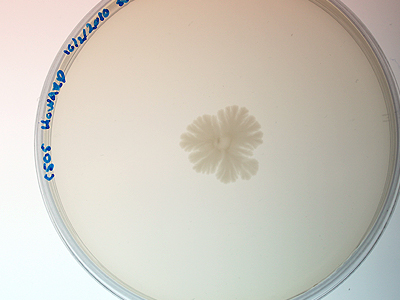
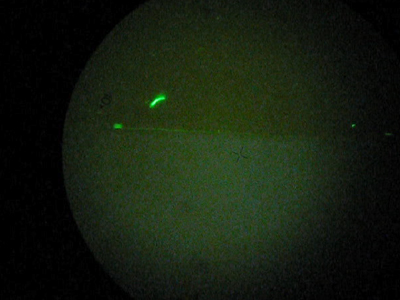
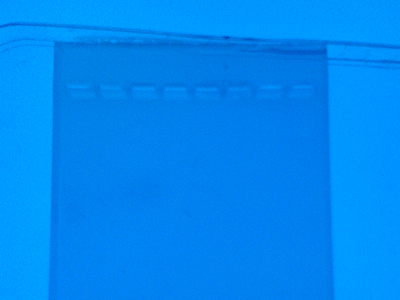
Operations such as manipulation and visualisation of DNA fragments on gels was one practical element explored, and included looking at the functioning of DNA ladders (Lane 1 in the gel above) as a tool for measuring fragments (Lane 2 in the gel above), the molecular cutting of DNA using enzymes and the physcial cutting of bands using a knife. The lab session ended off by giving the participants an opportunity to observe bacteria up-close using a fluorescent microscope. Importantly, the various scales and levels of working with the media from genetic parts to colonies and individual bacteria captures some of the ranges negotiated by biological art practices.
After the session, the group rejoined at the board room in Regent street were a video of various works and activities from artists like Eduardo Kac, The Tissue Culture and Art and Culture Project, c-lab, Adam Zaretsky, Marta de Menezes, Joe Davis, George Gessert and Edward Steichen were featured.
The discussion focused on two texts, 'Who is in control here? Meditating on Eduardo Kac's Transgenic Art' by N. Katherine Hayles and 'The Mutagenic Arts' by Adam Zaretsky, however this was expanded to include both ethical aspects, the linkage between performance arts and bioart, historical connections and how this art is motivated.